




- Holiday shopping is starting earlier than ever, with major retailers rolling out Black Friday deals in late September to get ahead of economic uncertainty and tariffs.
- Consumer spending is split along income lines, as affluent shoppers fuel growth in luxury retail while lower-income buyers prioritize discounts and essentials.
- Tariffs and inflation are pressuring supply chains and profit margins, forcing retailers to offer early promotions and get creative to drive value without relying solely on price cuts.
Sales Start Early, Again
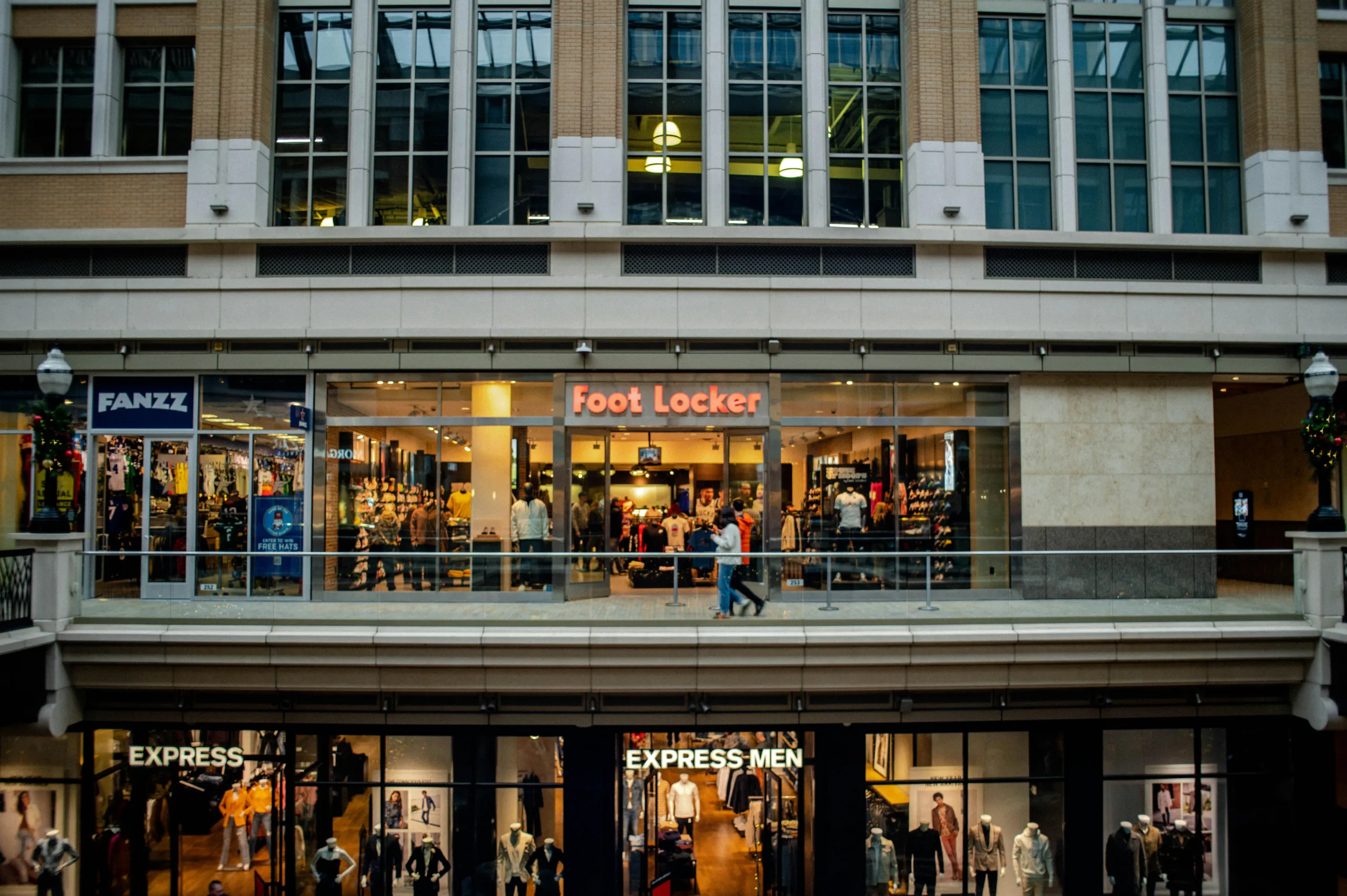
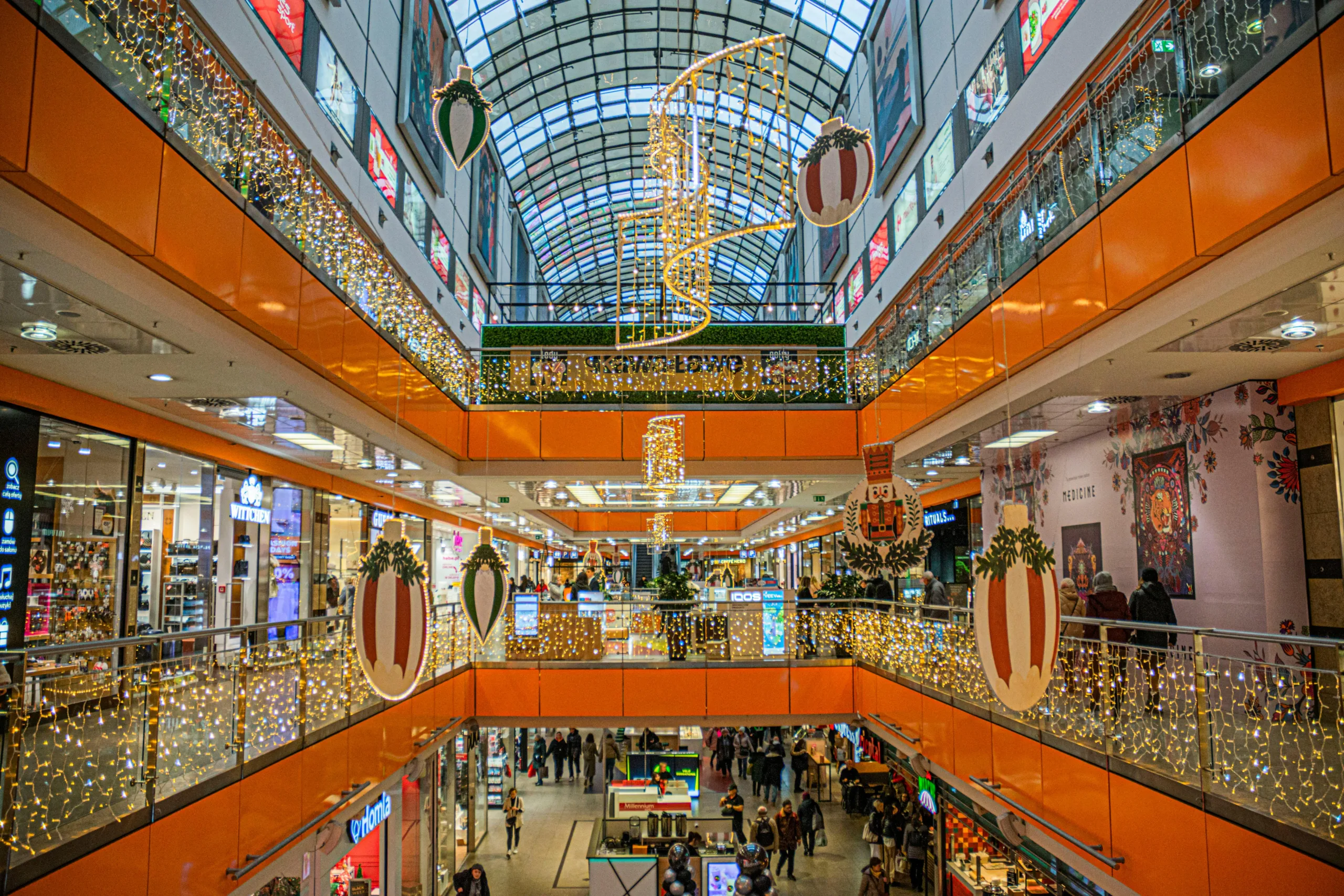
This year’s holiday retail season has kicked off at record speed, with stores like Walmart, Target, and Best Buy launching early promotions in September. The goal? Capture wary consumers before tariffs, inflation, and changing spending behaviors can slow down holiday momentum, reports Commercial Observer. Retail foot traffic is already showing signs of life, with US malls and downtowns seeing slight upticks in October.
The Bifurcation Of The Consumer
While some shoppers are snapping up deals early, others aren’t flinching at rising prices. Analysts point to a “two-tier economy” taking shape in the retail landscape. Lower- and middle-income households are becoming increasingly price-sensitive. Meanwhile, wealthier consumers continue to spend on luxury goods and experience-driven retail.
Luxury department stores, specialty grocers, and high-end restaurants are experiencing year-over-year traffic growth. At the same time, off-price retailers like Dollar Tree and secondhand clothing stores are booming. Younger and lower-income shoppers are increasingly “trading down” to more affordable options.
Get Smarter about what matters in CRE
Stay ahead of trends in commercial real estate with CRE Daily – the free newsletter delivering everything you need to start your day in just 5-minutes
Retail Strategy: Urgency Meets Creativity
Retailers are under pressure to strike a delicate balance: offer attractive promotions early while protecting margins. Experts say the winners this season will create a sense of urgency—through limited-time offers or exclusive drops—and offer more than just price cuts.
That includes improved customer experience, faster delivery, and personalized marketing. Companies like Handwrytten are helping brands forge emotional connections through handwritten notes, with some seeing 17x higher engagement compared to digital campaigns.
Tariffs Add To The Holiday Headwinds
Adding complexity to this year’s season are tariffs, which are raising wholesale costs and disrupting supply chains. Tariffs on imports from countries like China, Canada, and Mexico are pushing overall retail prices nearly 5% higher, according to the Tax Foundation.
Retailers are responding by moving up promotions and tightening operations. Some, particularly small businesses, are absorbing costs where possible and trimming budgets elsewhere—especially in marketing—to survive the margin squeeze.
New York City Retail Sees Momentum
Despite economic pressures, brick-and-mortar retail is showing signs of strength in NYC. Neighborhoods like SoHo and the Upper East Side are experiencing active leasing, with food-and-beverage tenants and experiential retail leading the way.
Luxury retailers like Rolex and Life Time are expanding, while off-price and discount brands are also securing space. The leasing patterns reflect the broader consumer divide—affluent buyers investing in wellness and exclusivity, and budget-focused shoppers flocking to value.
What Comes Next
The early holiday push isn’t just about boosting sales—it’s a hedge against a turbulent economic backdrop. As tariffs loom and inflation lingers, retailers are bracing for uncertainty while trying to capture every available dollar.
This year, success may depend less on the depth of discounts. Instead, it will rely more on how well retailers appeal to both ends of the economic spectrum. Offering value, memorable experiences, and relevance will be key to reaching a shopper base that’s more divided than ever.