



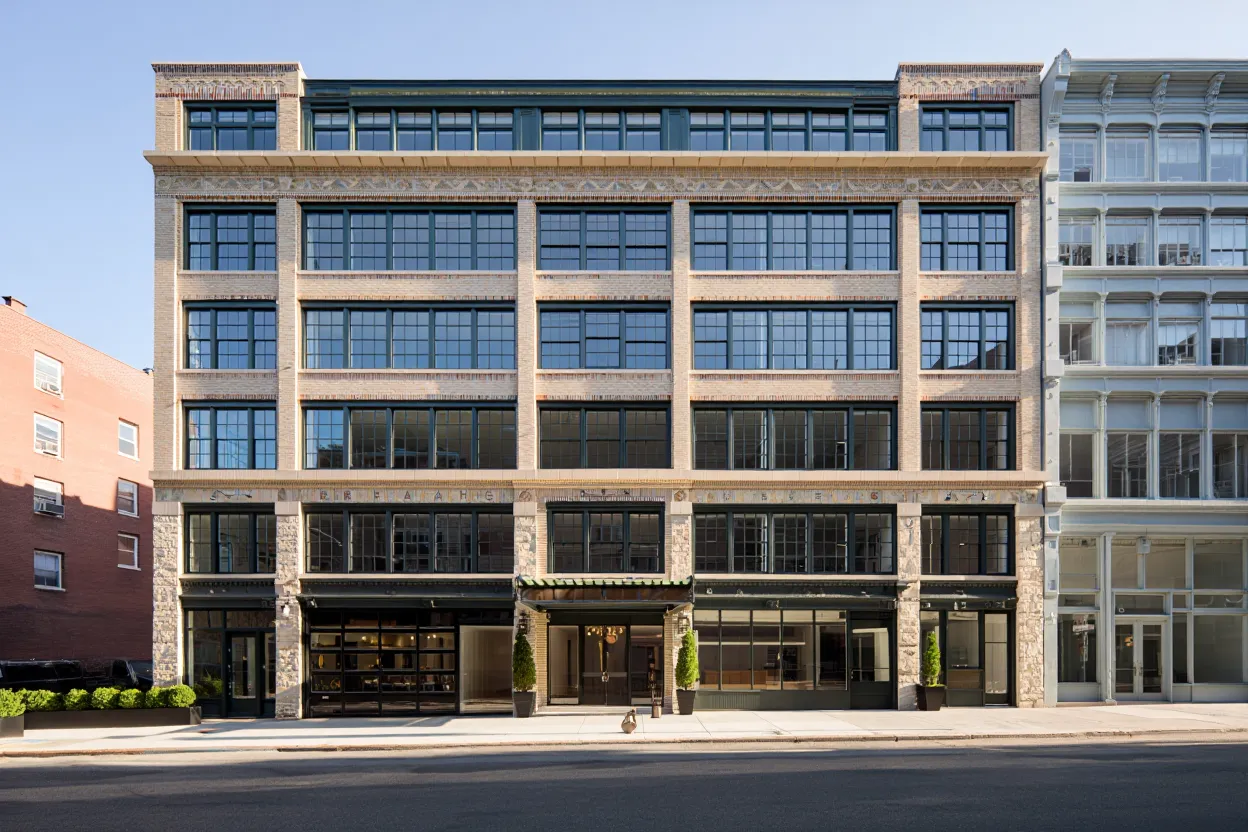


- Cannabis real estate may benefit from the executive order reclassifying marijuana as a Schedule III drug.
- Immediate tax relief removes Section 280E barriers, enabling industry reinvestment.
- Federal rescheduling could ease lending, leasing, and zoning restrictions long term.
- Despite change, marijuana remains illegal federally and interstate commerce is still restricted.
Policy Change Signals Market Movement
According to CoStar, President Trump’s recent executive order to reclassify marijuana marks a major shift for the US cannabis industry and its real estate footprint. With marijuana now designated as a less dangerous Schedule III drug, commercial real estate professionals are eyeing new opportunities. Regulatory barriers may begin to ease, opening the door to broader market participation.
Cannabis companies and industry groups have broadly welcomed the move. They see it as a path toward normalized operations, better access to capital, and more property deals that align with mainstream industries.
Effects on Cannabis Real Estate
Commercial real estate owners and operators expect increased interest from both landlords and investors as a result of the federal policy adjustment. Landlords that previously hesitated may now consider leasing to cannabis tenants, since the risk profile has improved.
Additionally, the move could spur a ‘real estate boom’ for cannabis-related properties, particularly if lenders become more willing to work with operators as Treasury and Justice Department guidance evolves. However, experts note that immediate changes for lending practices may be limited until clearer federal banking protocols are established. Rising concerns over cannabis debt risk, especially among lenders active in the space, underscore how cautious financial institutions remain despite policy progress.
Get Smarter about what matters in CRE
Stay ahead of trends in commercial real estate with CRE Daily – the free newsletter delivering everything you need to start your day in just 5-minutes
Immediate Tax Relief and Reinvestment Potential
The most direct effect of the cannabis rescheduling is the elimination of Section 280E, a US tax code provision. This rule had prevented cannabis businesses from deducting standard business expenses. Removing the restriction is projected to save the industry billions each year. That savings could allow operators to reinvest in property, infrastructure, and workforce expansion.
Major operators like Cresco Labs, Trulieve, and Curaleaf highlight the reduced tax burden as a catalyst for new store openings, facility upgrades, and job creation in local communities. Tax uncertainty, however, remains around retroactive application and ongoing IRS disputes.
Outlook: Room for Growth, but Not Federal Legalization
While the cannabis real estate landscape stands to benefit, the Schedule III reclassification does not amount to federal legalization or permit interstate commerce. Zoning and leasing are likely to remain subject to state and municipal rules, though some easing is possible.
Industry organizations and executives foresee the change as the first domino to fall, setting the stage for future reforms, research expansion, and increased banking participation. Broad-based transformation of cannabis real estate, however, still hinges on further federal legislative action and agency guidance.