




- Farmland investing accelerates as Chapter 12 farm bankruptcies rise 45% in 2025.
- Despite tight margins and low commodity prices, US farmland values increased 4.7% in 2025.
- Institutional and wealthy individual investors see farmland as a stable inflation hedge.
- A wave of retirements and consolidation is expected, opening more opportunities for investors.
Investor Interest Grows as Farm Margins Shrink
Farmland investing remains resilient, with capital continuing to flow into the sector, according to Bisnow. Investors are deploying funds even as farmers grapple with falling commodity prices and rising input costs. Meanwhile, financial pressure is mounting across the agricultural economy.
Chapter 12 farm bankruptcies rose 45% in 2025, reaching a three-year high. The spike highlights tightening margins and growing distress among US farmers. As a result, more operators are struggling to stay afloat.
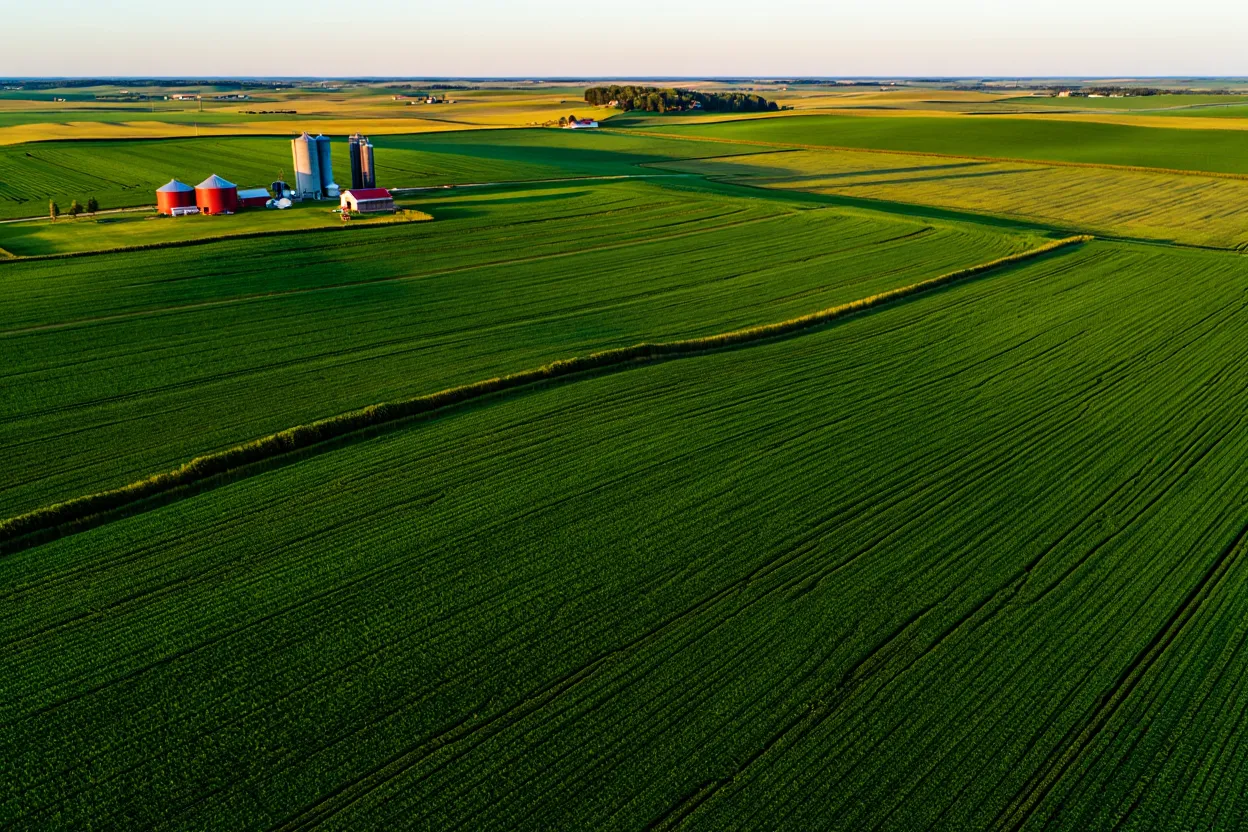
Farmland values, however, held firm—rising by 4.7% nationally to $4,350 per acre, according to the USDA’s latest Land Values Summary. This stability has attracted more investment capital seeking safety and inflation protection.
Sector Dynamics and Regional Variance
Most farmland is still family-owned, with 91% held by farmers and their operators. Yet, as incomes fall and leverage rises, distressed sales are increasing—especially in the Midwest, Southeast, and Southwest, where farm bankruptcy rates grew by nearly 70% in 2025. In contrast, the Northeast and Northwest saw declines in distress filings.
Scale remains a key advantage. Well-capitalized operators are actively seeking to expand their holdings, often outbidding others for adjacent parcels to cut costs and achieve operational efficiencies.
Get Smarter about what matters in CRE
Stay ahead of trends in commercial real estate with CRE Daily – the free newsletter delivering everything you need to start your day in just 5-minutes
Farmland Investing vs. Traditional Asset Classes
For investors, farmland investing shares similarities with other core commercial real estate, but with unique generational ownership patterns. Transaction volumes peaked in late 2023 and early 2024, and there continues to be strong demand for available parcels, especially as aging farmers look to retire and generational transitions accelerate.
Platforms such as AcreTrader and institutions like Nuveen Natural Capital are helping channel capital from both institutional and high net worth individual investors into farmland, drawn by its stability compared to more volatile segments like data centers. That contrast is notable as capital continues flowing into digital infrastructure projects that are reshaping rural markets in places like Virginia’s Fauquier County, where large-scale server farms are transforming long-standing agricultural communities.
What’s Next for Farmland Investors
Analysts expect a short-term land value correction in 2026, followed by flat growth and then a rebound across most regions. The coming years are projected to be a prime entry window for investors as more farmland changes hands due to retirements and consolidation. With a $4T market size, the potential scale and long-term demand for farmland investing remain robust.