



- Mayor Zohran Mamdani is requesting $21 billion in federal funding to redevelop Sunnyside Yard into a 12,000-unit affordable housing project.
- The 180-acre Queens site would require building a costly deck over active rail lines, making it one of the city’s most complex development efforts.
- Political dynamics have shifted since the plan stalled in 2020, potentially improving its chances amid growing pressure to address housing affordability.
New York City Mayor Zohran Mamdani is reviving plans to redevelop Sunnyside Yard in Queens into what could become the city’s largest affordable housing project in over 50 years, according to the WSJ. The proposal would transform the 180-acre rail yard into a mixed-use neighborhood anchored by 12,000 residential units—if the federal government agrees to provide $21 billion in funding.
A Massive Undertaking
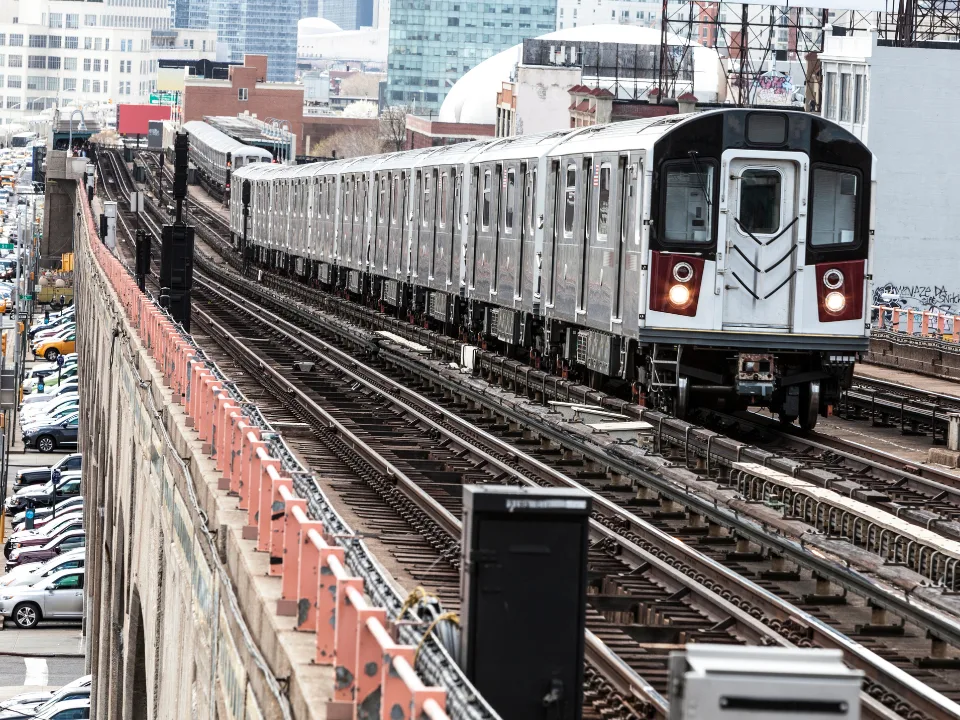
The Sunnyside Yard proposal calls for constructing a platform above one of the nation’s busiest rail hubs. A prior 2020 master plan estimated the deck alone would cost $14.4 billion and support thousands of apartments, along with commercial and community space.
In addition to housing, the project blueprint includes parks, healthcare facilities, childcare centers, and other public infrastructure. However, only about 80% of the site is considered buildable due to ongoing rail operations below.
Engineering challenges abound. The rail yard’s uneven track layout and necessary electrical clearances would limit building heights and complicate construction. Experts involved in earlier feasibility studies have described the effort as extraordinarily complex, with even optimistic timelines stretching a decade or more.
Get Smarter about what matters in CRE
Stay ahead of trends in commercial real estate with CRE Daily – the free newsletter delivering everything you need to start your day in just 5-minutes
The Funding Gap
The project’s biggest hurdle is financial. Unlike many large-scale developments, Sunnyside Yard isn’t expected to generate enough private revenue to offset costs. It would require substantial public subsidy.
Construction expenses have likely climbed since the original 2020 estimates due to higher material and labor costs. That raises questions about whether the requested $21 billion would be sufficient.
Ownership fragmentation further complicates matters. Portions of the site are controlled by Amtrak, the Metropolitan Transportation Authority, and the city itself, meaning coordination across multiple public entities would be required.
A Political Reset
The redevelopment was shelved during the pandemic and amid tense federal-local relations during President Trump’s first term. At the time, city officials cited the lack of a cooperative federal partner as a major obstacle.
Now, Mamdani is attempting a different approach. In a recent White House meeting, he sought to secure President Trump’s backing for the project. While no formal commitment has been made, discussions are ongoing.
The political landscape may also be more favorable. Public frustration over housing shortages has intensified, and opposition to large-scale development has softened in some quarters. Housing affordability has become a central issue for voters, giving renewed urgency to supply-driven solutions.
Why It Matters
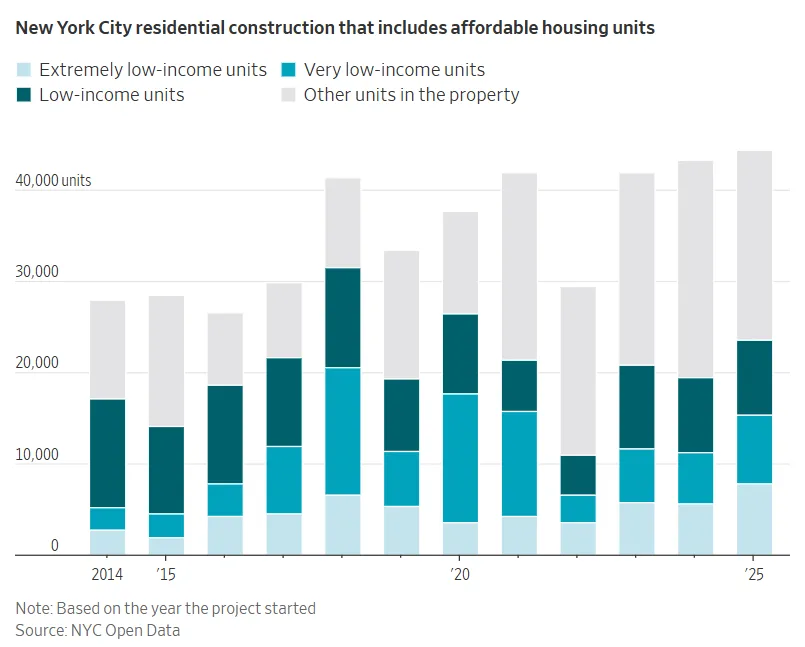
If realized, Sunnyside Yard would represent one of the most ambitious urban redevelopment projects in modern New York history. Beyond adding 12,000 units in a supply-constrained market, it would test the viability of large-scale deck construction as a strategy for unlocking land in dense cities.
The project also highlights the growing dependence of megadevelopments on federal funding—particularly when affordability is a core objective.
What’s Next
Mamdani’s proposal remains in early negotiations, with funding, engineering, and political approvals still unresolved. Even under ideal conditions, development would likely unfold over many years.
But as housing pressures mount, Sunnyside Yard may once again become central to New York City’s long-term growth strategy—this time with a renewed push for federal partnership.