





- Energy markets shock after US and Israeli strikes on Iran renews inflation risks.
- Crude oil surged 8%, raising fears of higher retail gasoline prices and prolonged inflation.
- Lower odds of June Fed rate cut as elevated energy costs threaten to stall monetary easing.
- Commercial real estate faces higher financing costs and slower activity as interest rates stay high.
Energy Markets React
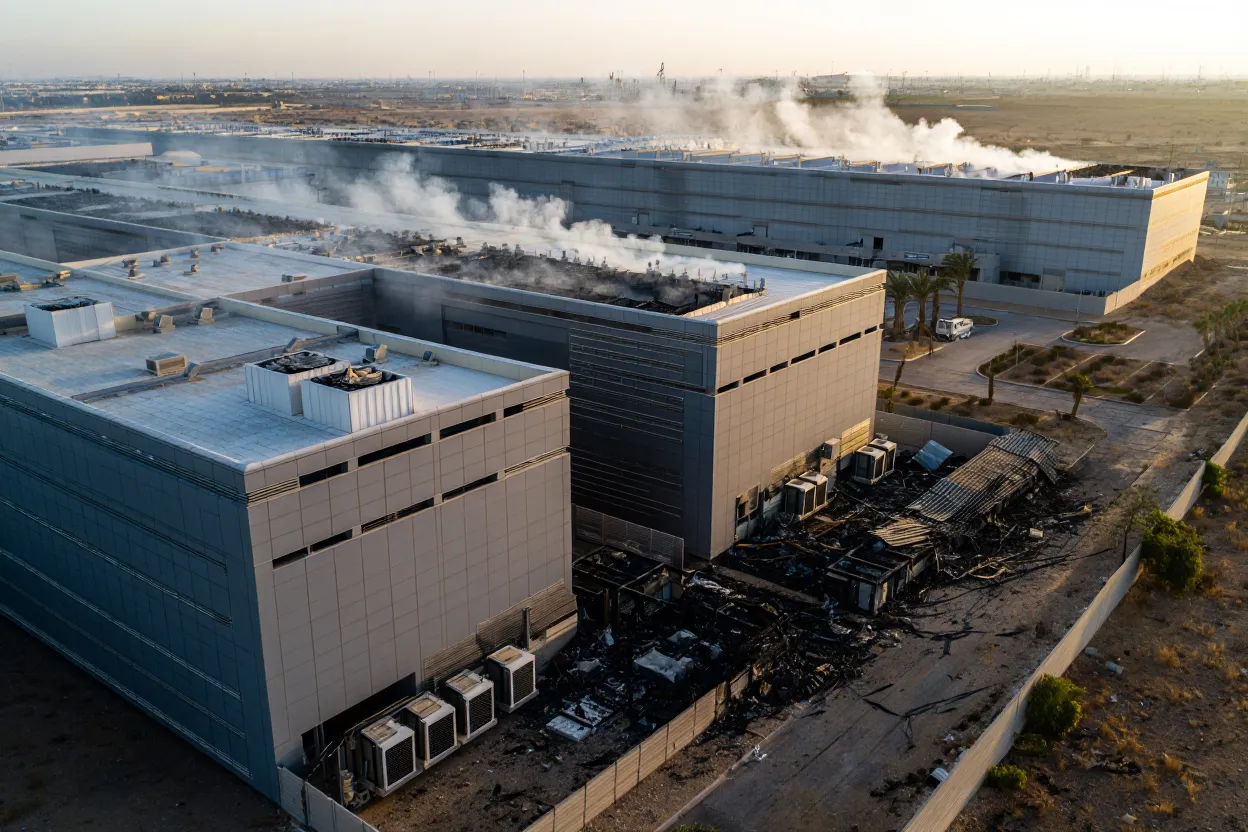
Oil and energy markets face renewed pressure after joint US and Israeli airstrikes on Iran, Globe St reports. The strikes occurred Saturday and immediately pushed crude oil prices higher. They also raised fresh concerns about supply disruptions through the Strait of Hormuz. That waterway serves as a critical route for global oil and gas exports.
Inflation Expectations Rise
Crude oil prices jumped 8% following the strikes. Retail gasoline prices could climb from $3 per gallon to about $3.15 in the coming weeks. Traders now expect higher fuel costs to ripple through the economy.
Persistent energy inflation threatens the Federal Reserve’s fight to control prices. Inflation has remained above the Fed’s 2% target for nearly five years. Higher oil prices could further delay a return to stable price levels.
Get Smarter about what matters in CRE
Stay ahead of trends in commercial real estate with CRE Daily – the free newsletter delivering everything you need to start your day in just 5-minutes
Fed Cautious on Rate Cuts
Recent shocks in energy markets make it less likely that the Fed will cut interest rates soon. Officials have signaled reluctance to ease policy without stronger evidence that inflation is sustainably cooling. Higher energy prices also reinforce public expectations that inflation will persist. At the same time, Treasury yields have reasserted themselves as the primary force shaping commercial property valuations, amplifying the impact of any delay in rate cuts. Market odds for a June rate cut have declined, according to CME FedWatch data.
Commercial Real Estate Impact
If high energy prices persist, capital-intensive sectors such as commercial real estate could see delayed leasing, slower development activity, and higher borrowing costs. Elevated inflation and restrictive Fed policy may keep rates and the cost of capital higher for longer, pressuring CRE investment and operations. Industry watchers expect references to ‘geopolitical risks’ and ‘energy market uncertainty’ in future Fed communications as the situation develops.