

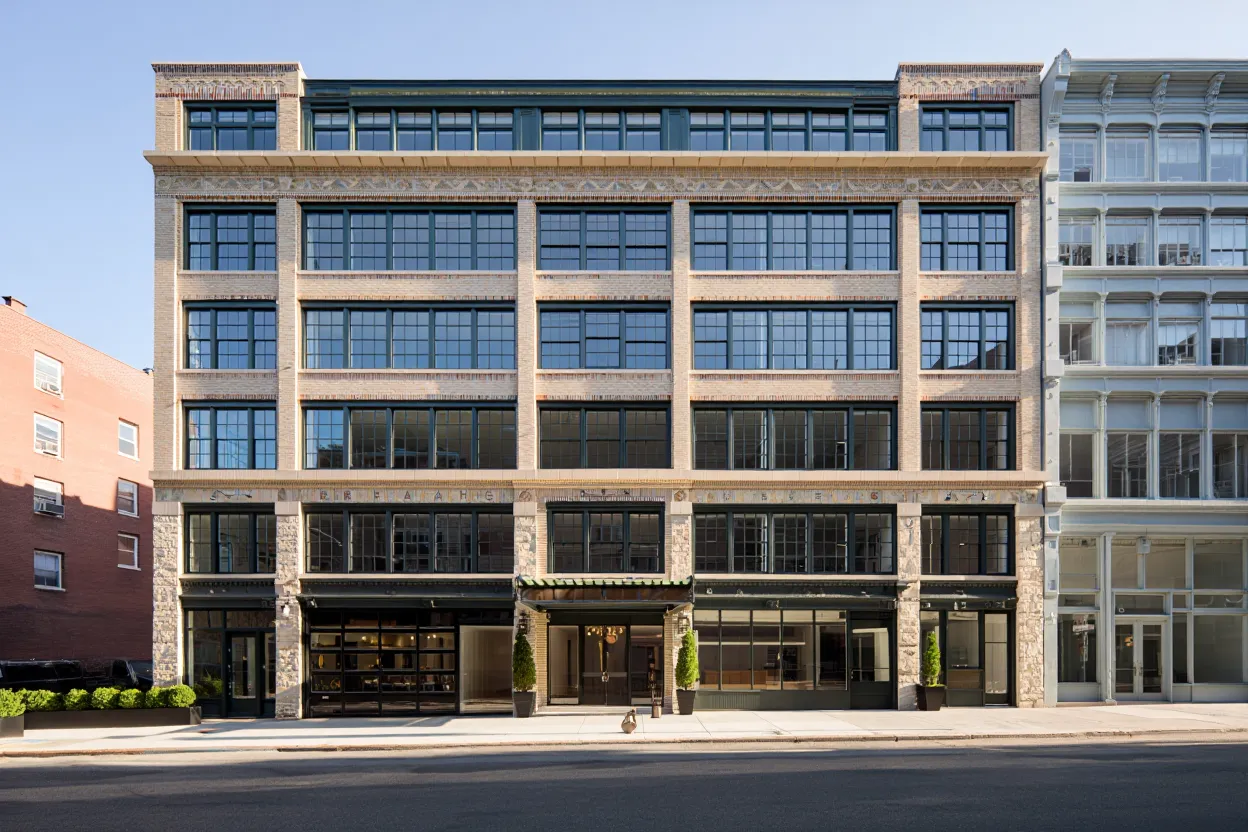

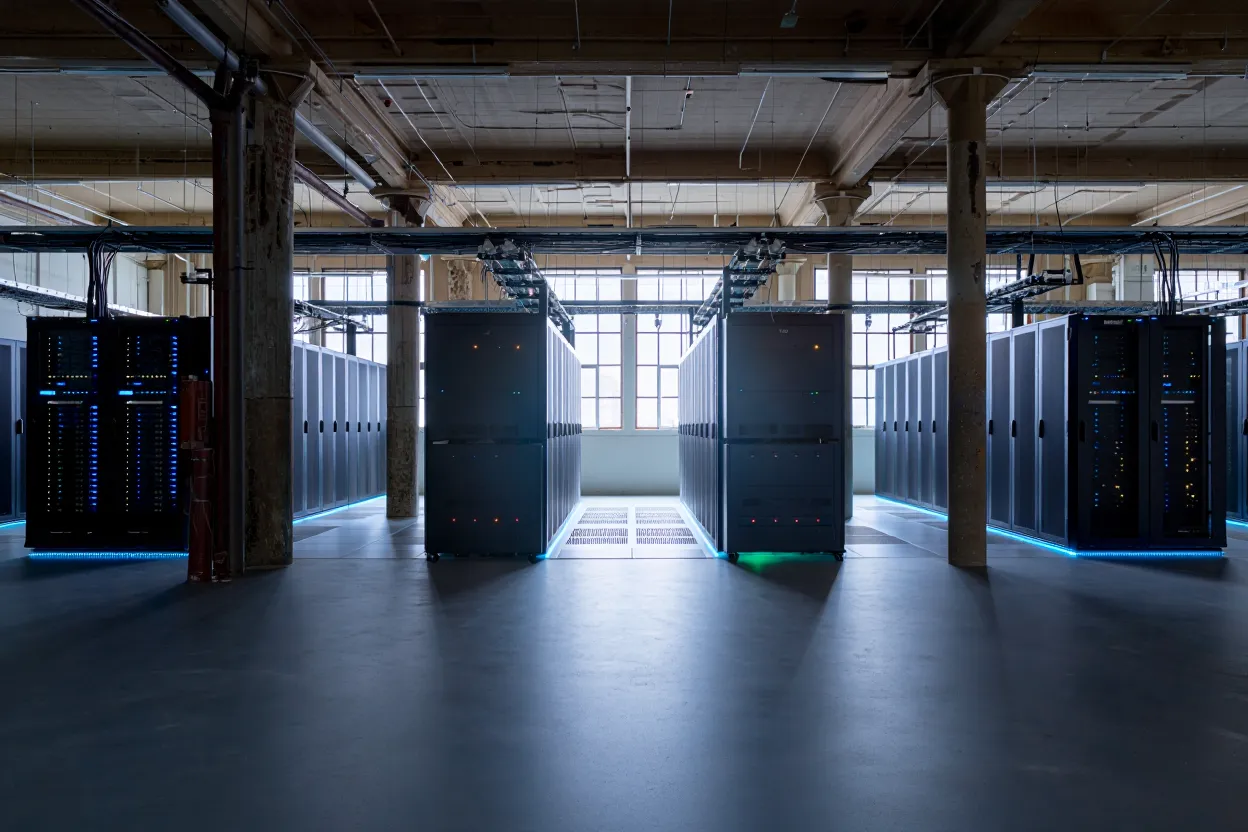
- Data centers are transforming unused downtown buildings to meet rising AI demand.
- Urban locations provide low latency benefits for AI-driven applications.
- Conversions boost commercial real estate values in cities with high vacancy rates.
- Not all office buildings are suitable for data center conversion due to power and structural requirements.
AI Infrastructure Drives Urban Conversions
Growing adoption of artificial intelligence and real-time analytics is fueling demand for data centers in city centers, according to Bloomberg. Buildings once considered obsolete—like the former Kansas City Star printing plant—are now being repurposed into high-tech data hubs. These downtown sites offer critical infrastructure and proximity needed for AI inference, enabling real-time decision-making for applications such as autonomous cars and advanced chatbots.
Investor Momentum Builds
The push toward downtown conversions isn’t limited to Kansas City. Major cities like Chicago, Minneapolis, and international locations such as Frankfurt and Berlin are seeing similar activity. Real estate experts note that rapid AI-related growth and corporate demand have led to record rents and high leasing volumes in leading US markets. In Chicago, a former trading headquarters was sold to a data center investor for over three times its contract value after power upgrades. The surge in investor interest mirrors broader shifts in commercial real estate, where opportunistic buyers are increasingly stepping in to acquire discounted office assets and reposition them for new uses.
Get Smarter about what matters in CRE
Stay ahead of trends in commercial real estate with CRE Daily – the free newsletter delivering everything you need to start your day in just 5-minutes
Challenges and Opportunities
Data centers require open floor plates, reinforced floors, and robust utility connections. Not every building fits these needs. However, vacant offices, trading floors, and life science facilities often fulfill many requirements. Securing higher power capacity is also essential, often making or breaking deals. Despite concerns over job creation and energy use, local officials increasingly view conversions as opportunities to reinvigorate stagnant real estate and attract tech tenants.
What’s Next
As AI continues to expand, expect more downtown real estate to be repositioned for data center use. The trend offers a second life to struggling assets and creates hubs for next-generation technologies in urban cores. Data centers are increasingly recognized as crucial infrastructure supporting the future of city-based business and innovation.