

- Insurance premiums for New York assets have more than doubled in some cases since 2024.
- Rising insurance costs are impacting properties’ NOI and diverting funds from key investments like fire safety.
- Affordable housing and residential sectors are facing the highest premium surges.
- Lenders often restrict underinsurance, limiting owners’ ability to cut coverage.
Premium Increases Pinch Owners
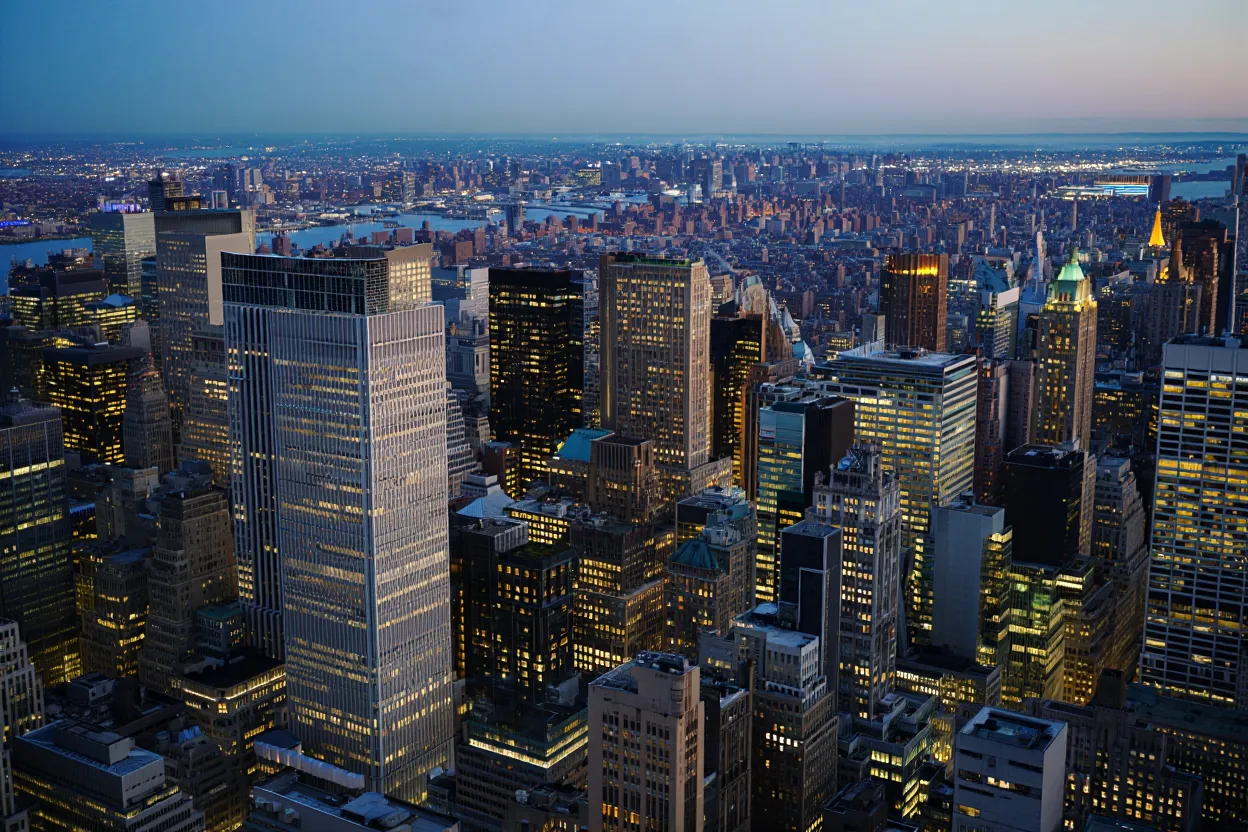
According to Globe St, property owners across New York are facing steep increases in insurance premiums. Some buildings have seen rates double within a single year. Nonprofit SPONY and industry broker Howden documented the surge. The rising costs are affecting a wide range of properties, from office towers to affordable housing developments.
Insurers point to several factors driving the increases. New York faces elevated exposure to fires, flooding, and liability claims. Landlords must also carry mandatory Workers Compensation coverage, which adds to costs. Meanwhile, even routine claims have grown far more expensive. Insurance payouts now often reach between $5M and $10M per incident. Just five years ago, similar claims averaged around $1M.
Effects on Investment and Operations
Rising premiums are squeezing net operating income (NOI) for landlords, making it harder to maintain investment in safety upgrades and deferred maintenance. Experts warn that operators with tight budgets may be forced to cut back on fire suppression systems and loss control initiatives, potentially increasing overall risk.
However, lenders often require owners to maintain robust insurance coverage, limiting the ability to go underinsured even as costs climb. This dynamic creates added pressure on property cash flows and investment strategies.
Get Smarter About What Matters in New York
Subscribe to our free newsletter covering the biggest commercial real estate stories across the five boroughs — delivered in just 5 minutes.
Sector Impacts and Emerging Risks
The housing sector faces the steepest insurance premium increases. Affordable and market-rate multifamily properties are seeing the sharpest spikes. Similar insurance pressures have also weighed on multifamily valuations nationwide, as higher operating costs erode returns. Senior living and student housing properties are also feeling the strain. Meanwhile, data centers are emerging as a growing focus for risk management and insurance modeling.
Building resiliency and up-front construction choices are playing a bigger role in long-term insurance strategies. Owners are increasingly being counseled on CAPEX strategies to mitigate future costs.
Weather Events and Future Outlook
Recent snowstorms in New York are unlikely to meaningfully affect insurance rates, as insurers look for far larger national economic losses before shifting pricing. Still, rates are expected to keep rising as inflation and building costs increase.
With insurance premiums likely to remain a key challenge, industry players are exploring new approaches to hedge against major weather and climate risks while balancing lender requirements and operational needs.