




- Institutional interest in affordable housing is accelerating, with 2026 expected to see increased portfolio sales, consolidation, and preservation activity.
- Policy changes, including expanded federal tax credits and growing use of public-private partnerships, are driving new capital into the space.
- Preservation—rather than new construction—is becoming the fastest, most cost-effective strategy to address housing shortages and modernize aging stock.
- Operational sophistication, regulatory fluency, and adoption of proptech are key differentiators for investors navigating today’s market complexities.
Affordable Housing Reaches A Turning Point
Housing insecurity and aging rental stock are driving growing demand for high-quality, income-restricted housing across the US. With limited new supply and a constrained capital environment, the affordable housing sector is at a turning point, reports Commercial Observer. 2026 could mark a breakout year for institutional investors ready to navigate complexity.
Hudson Valley and others expect more portfolio sales as smaller owners lacking scale or capital seek exits or strategic partners. These shifts allow well-capitalized operators to modernize assets and maintain long-term affordability.
Preservation Gains Momentum Over New Development
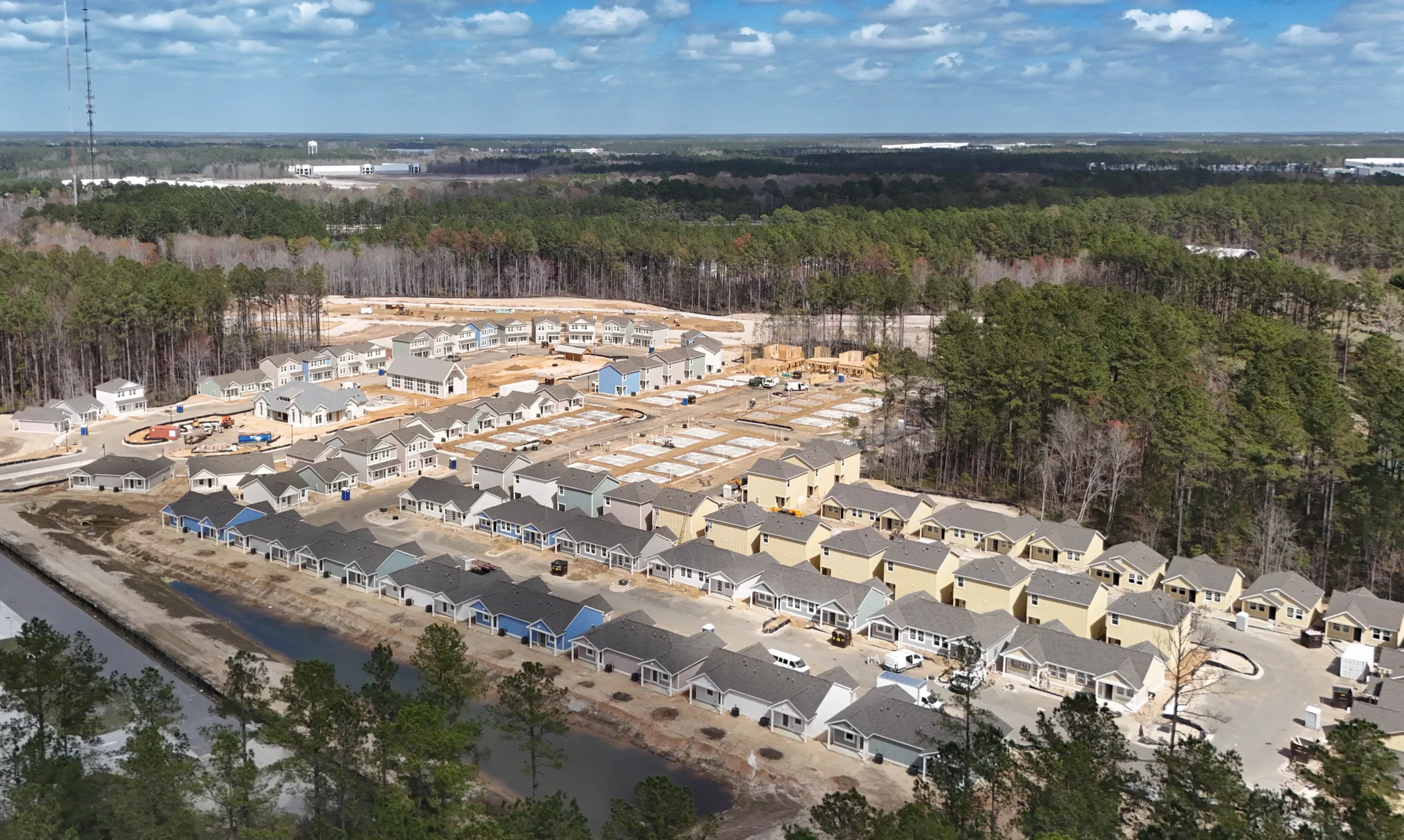
While new construction remains necessary, it’s often slowed by high costs, zoning hurdles, and extended approval timelines. In contrast, preservation offers a faster, more scalable solution. Reinvesting in existing affordable properties extends their lifespan and enables critical repairs. It also allows energy upgrades and tech enhancements without displacing residents.
This approach is gaining traction as both a practical investment strategy and a socially impactful solution. It enables operators to meet housing demand, deliver upgrades, and protect vulnerable tenants—all at a lower cost and on a shorter timeline than new builds.
Get Smarter about what matters in CRE
Stay ahead of trends in commercial real estate with CRE Daily – the free newsletter delivering everything you need to start your day in just 5-minutes
Policy Tailwinds Are Accelerating Investment
Recent legislation—especially the expansion of the Low-Income Housing Tax Credit (LIHTC) through the One Big Beautiful Bill Act—is creating new opportunities. The LIHTC expansion effectively doubles the program’s capacity, unlocking more capital for preservation deals in high-barrier markets.
Public housing authorities are also becoming more proactive. Tools like RAD conversions, public facility corporations, and land dispositions are helping move more units under regulatory control while enabling private-sector involvement. Public-private partnerships are emerging as a key mechanism for bridging funding gaps and driving large-scale improvements.
Sophistication And Tech Will Define Winners
Affordable housing is no longer a niche asset class—it’s increasingly viewed as core real estate, offering inflation-resistant income and long-term stability. But success in this sector requires more than capital. Investors need deep regulatory fluency, operational precision, and the ability to align with public and community goals.
Technology is also becoming a differentiator. Proptech tools are beginning to streamline operations, cut energy costs, and improve tenant experience. While adoption is still early, data-driven platforms are expected to play a larger role in performance management and resident services moving forward.
Risk, Reward, And The Road Ahead
While the sector offers compelling upside, risks remain. Rent control measures, tax shifts, high insurance costs, and compliance complexity can all impact returns. That’s why disciplined project selection and strategic partnerships are critical. Operators must stay nimble, well-capitalized, and focused on long-term affordability to succeed.
Still, the fundamentals remain strong. Affordable housing offers a rare alignment between financial returns and social impact. With institutional capital becoming more sophisticated, and policy support on the rise, 2026 is shaping up to be a pivotal year—where doing well and doing good can go hand in hand.