


- Google, Meta, and Microsoft spent nearly $80B last quarter on AI-related infrastructure, with capital expenditures expected to rise even further in 2026.
- Investor reactions were mixed, Meta’s stock dropped 11%, while Alphabet gained 5% as concerns grow about whether the spending will deliver timely returns.
- Analysts say the AI arms race is driving aggressive investment in data centers, but comparisons to the dot-com bubble are raising caution flags.
A Record-Setting Quarter
According to CoStar, three of the largest US tech firms—Google, Meta, and Microsoft—spent a combined $80B last quarter building data centers and expanding AI capabilities. Leaders at all three companies defended the ramp-up as essential to staying competitive in a rapidly evolving AI market.
Investors Grow Cautious
Despite strong earnings in some areas, the aggressive spending rattled investors. Meta saw an 11% drop in share value after announcing plans to raise capital expenditures to as much as $72B in 2025, with more spending to follow in 2026. Microsoft’s shares dipped 2%, even after strong cloud earnings. Alphabet, however, posted a 5% gain following a solid revenue report, buoyed by its ad and cloud divisions.
Who’s Spending What
- Alphabet expects to spend up to $93B in 2025, up from $52.5B in 2024.
- Microsoft reported $35B in Q3 capex, half of which was spent on AI chips and cloud infrastructure.
- Meta raised its 2025 capex outlook to $70–72B, with “notably larger” spending forecast for 2026.
Get Smarter about what matters in CRE
Stay ahead of trends in commercial real estate with CRE Daily – the free newsletter delivering everything you need to start your day in just 5-minutes
Betting on Demand
Executives argue the spending is justified by rising demand for AI computing power. “AI is now driving real business results,” said Google CEO Sundar Pichai. Meta CEO Mark Zuckerberg echoed the sentiment, calling the risk of underbuilding greater than overspending.
A Cloud-First Strategy
Google and Microsoft benefit from cloud businesses that can immediately monetize AI demand. Meta, which lacks a cloud division, faces a longer runway to recoup costs. This difference has made investors more skeptical about Meta’s strategy.
Déjà Vu for Some Investors
Memories of the early 2000s dot-com bust linger. Analysts are drawing parallels between today’s AI infrastructure boom and the overbuilding of fiber-optic cables during the internet bubble—many of which went unused. That past excess has investors urging caution despite clear near-term growth signals.
Still, the Gold Rush Continues
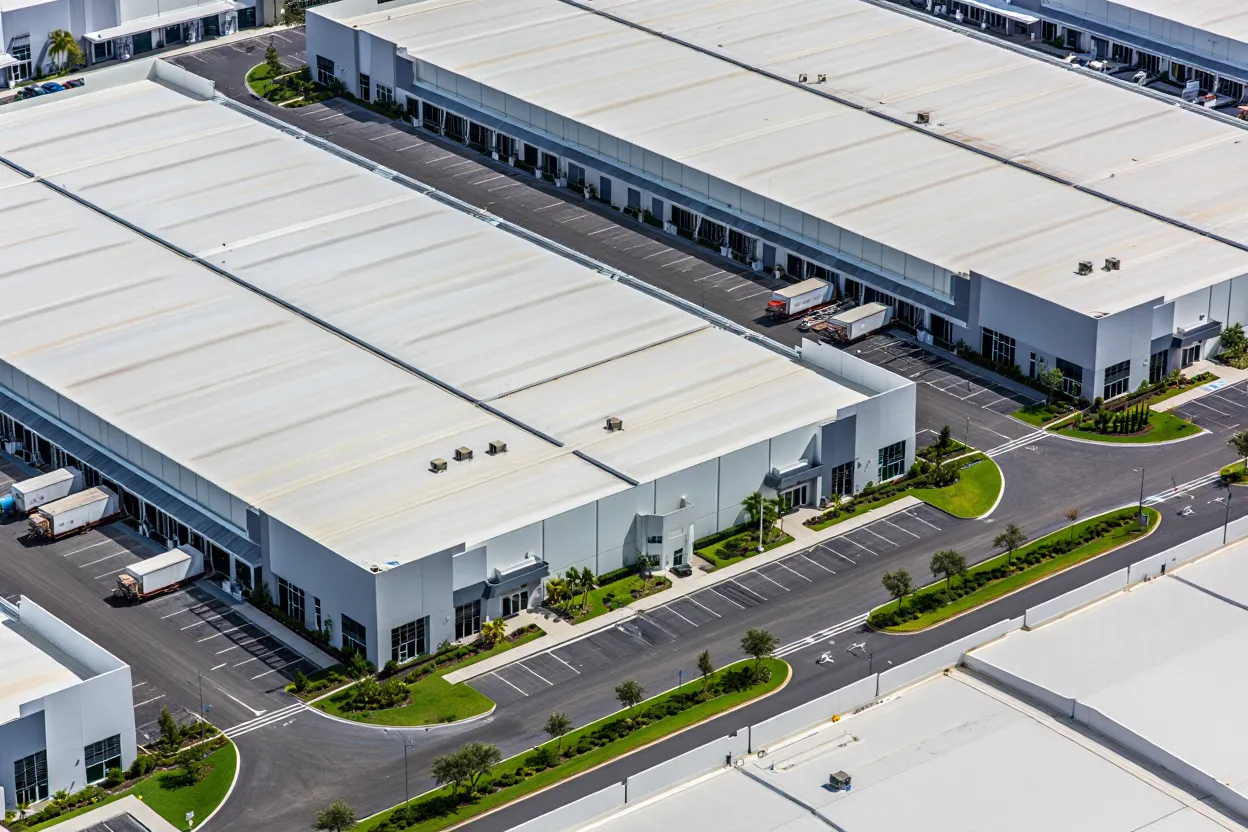
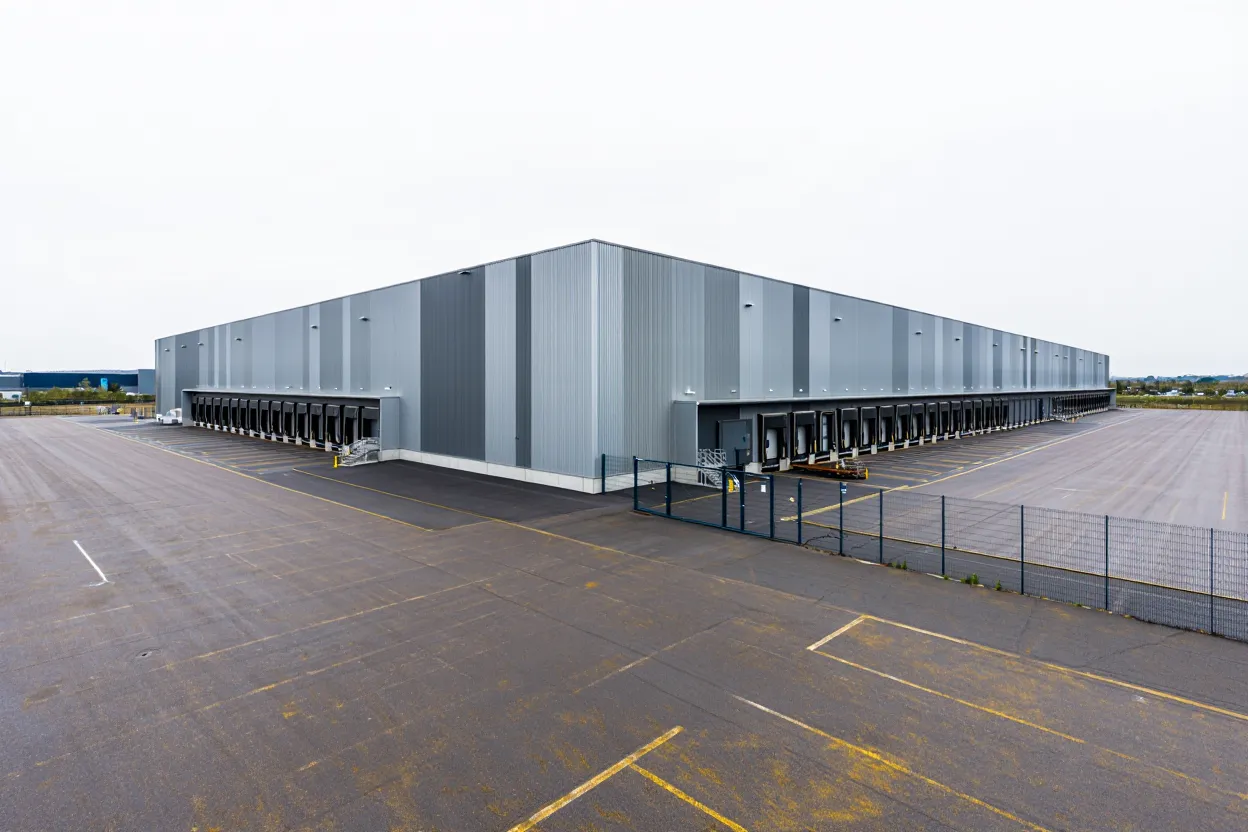
Despite the risks, the land grab for AI-ready infrastructure—especially data centers—is in full swing. Avison Young analyst Howard Huang says the “gold rush” mentality has taken hold, with demand still far outpacing supply for data center capacity.
Outlook
Though the monetization timeline is uncertain, tech giants show no signs of slowing. Microsoft expects capex growth to accelerate in fiscal 2026, and OpenAI CEO Sam Altman has emphasized investing in infrastructure over near-term profit.
In short, the AI boom is pushing tech firms into uncharted spending territory. Whether this pays off—or leads to another bubble—remains to be seen.