


- Bond market signals caution as the 10-year Treasury yield falls below 4% for the first time since October.
- Investor demand for safety drives Treasury prices higher amid mixed inflation data and market anxiety.
- AI-driven economic concerns and geopolitical tensions, including US-Iran conflict, add to market uncertainty.
- Recent Supreme Court and tariff actions contribute to global trade uncertainty.
Bond Market Signals Caution
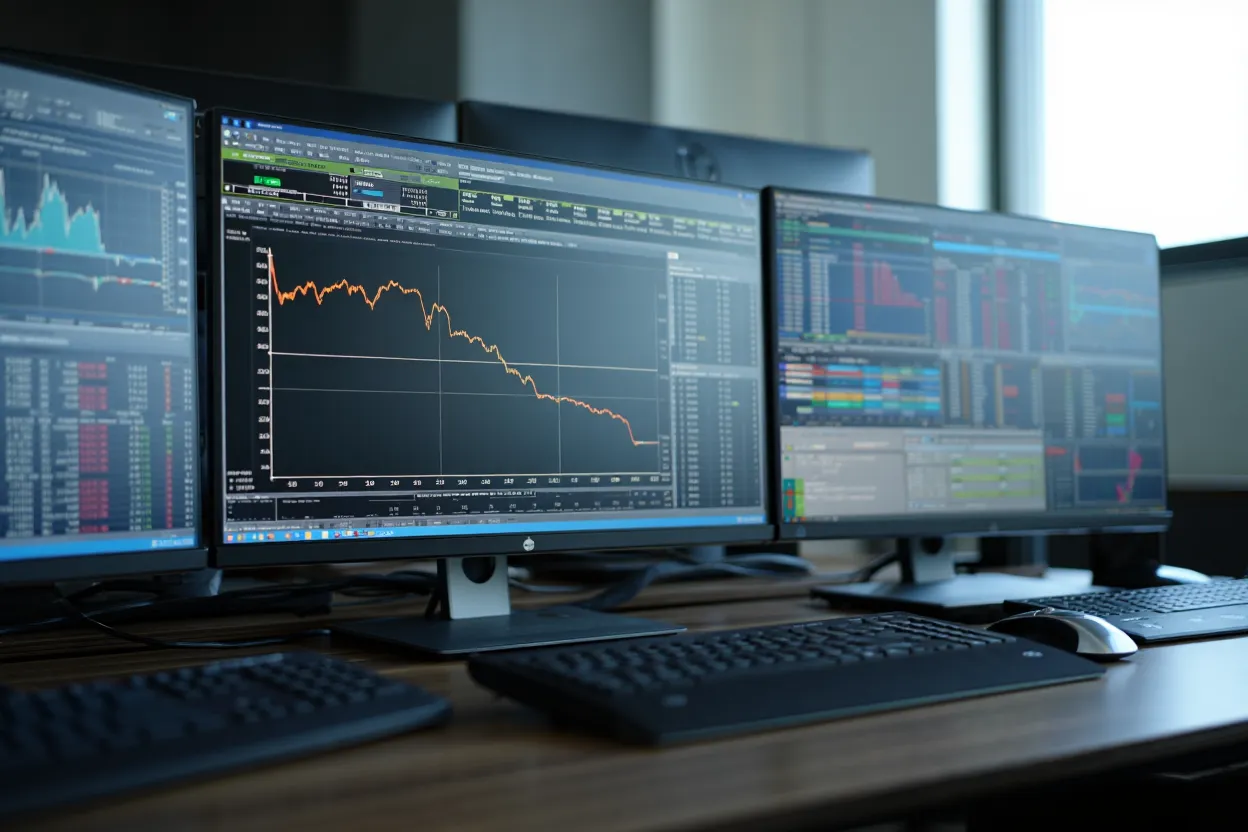
The US bond market is flashing a warning sign. On Friday, the 10-year Treasury yield fell below 4% for the first time since October. The steady decline shows investors are moving into safe-haven assets. That shift signals rising concern about economic growth and global risks, according to Globe St.
Yields have dropped quickly, falling from 4.22% on February 9 to 3.93% by March 1. Investors are seeking stability as multiple risk factors cloud the outlook. Because bond prices move inversely to yields, rising demand has pushed yields lower. Buyers appear willing to accept lower returns in exchange for safety.
Inflation Data Fuels Uncertainty
The bond market’s shift follows an uneven Producer Price Index report, which showed both rising service costs and falling prices for goods in January. Core inflation (excluding food, energy, and trade services) rose 3.4% year-over-year, leaving market analysts wary of persistent inflation pressures and economic ambiguity.
Get Smarter about what matters in CRE
Stay ahead of trends in commercial real estate with CRE Daily – the free newsletter delivering everything you need to start your day in just 5-minutes
AI, Jobs, and Stagflation Risks
Investor anxiety over artificial intelligence-driven job losses is another factor behind the flight to Treasurys. With layoffs and potential rising unemployment linked to AI, some analysts now warn of stagflation—sluggish growth combined with persistent inflation—posing a dual threat to the economy.
Geopolitical and Policy Pressures
Fresh military action by the US against Iran has heightened regional instability and increased oil prices, fueling further bond market signals of caution. Additionally, policy uncertainty—including a Supreme Court decision overruling key tariffs and new tariff threats from President Trump—has clouded the trade outlook. The softer yield environment comes as elevated borrowing costs have already been weighing on commercial real estate fundamentals this year, with many investors delaying acquisitions and refinancing decisions amid rate volatility.
What’s Next
With inflation, global tensions, and policy changes all influencing investor sentiment, the prolonged fall in Treasury yields is being closely watched. The bond market signals deeper discomfort with the economic and geopolitical outlook—and many investors are responding by seeking safety.