





- CMBS distress rate could climb to 14.5-15.0% by December 2026, according to CRED iQ.
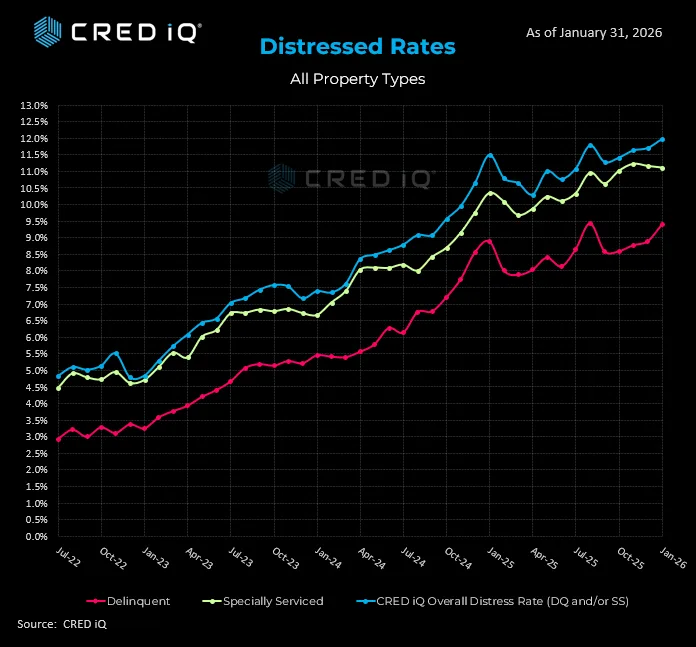
- Distress rate has more than doubled since mid-2022, reaching 11.98% in January 2026.
- Special servicing and delinquencies are rising in tandem, indicating systemic stress.
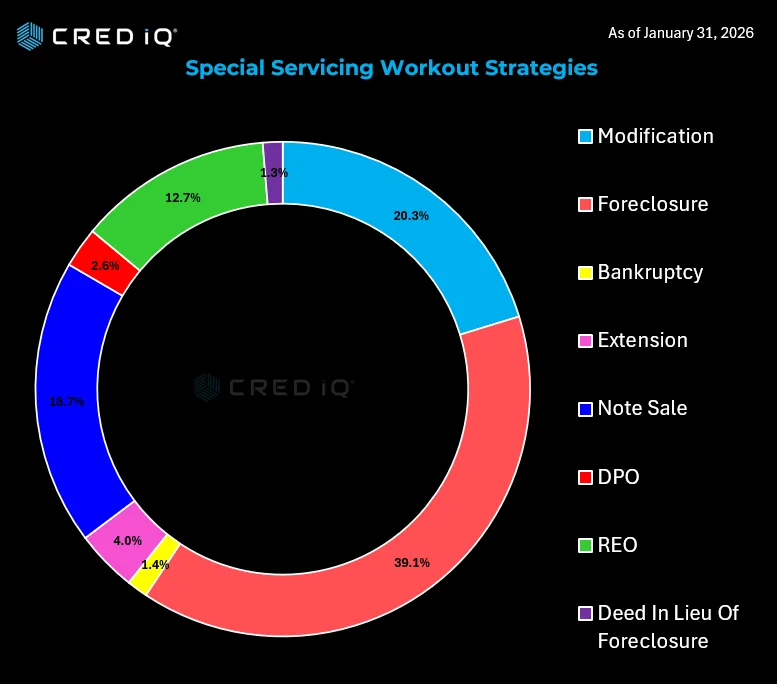
- Foreclosure and note sales are preferred resolutions, as loan workouts lose favor.
Distress Escalation in the CMBS Sector
CRED iQ expects the CMBS distress rate to reach 14.5–15.0% by the end of 2026. Borrowers continue to struggle with refinancing in a high-interest environment. Markets see little hope for near-term monetary policy relief.
Between July 2022 and January 2026, the distress rate rose from 4.83% to 11.98%. That marks a 148% increase over 43 months. The analysis covers both conduit and SASB CMBS loans.
Distress Trends and Market Pressures
The distress rate rose sharply, moderated briefly in early 2025, then resumed its upward climb. Volatility has done little to alter the trajectory, signaling entrenched challenges for distressed borrowers.
Delinquencies and special servicing rates both surged, moving from 2.93% to 9.40% and 4.47% to 11.10%, respectively. This signals persistent market-wide stress, with more loans moving into advanced resolution processes.
Servicers Favor Liquidation Tactics
Resolution strategies for specially serviced loans continue to favor liquidation. Of $40.1B in assets with defined workout plans, foreclosure accounted for 39.1% and note sales for 18.7%, while modifications trailed at only 20.3%. Servicers’ limited appetite for loan workouts signals pessimism about asset turnaround prospects in the current climate. This is especially evident in sectors like multifamily, where declining rents have added pressure on owners to liquidate assets.
Why the Forecast Matters
The anticipated rise in the CMBS distress rate highlights broad-based, continuing strain in commercial real estate. Persistent sector headwinds and a challenging capital markets environment are expected to keep liquidation strategies at the forefront, especially for assets with challenged fundamentals or facing refinancing maturity risk.
Get Smarter about what matters in CRE
Stay ahead of trends in commercial real estate with CRE Daily – the free newsletter delivering everything you need to start your day in just 5-minutes