




- PwC’s 2025 Midyear Outlook sees early signs of recovery in commercial real estate Mu0026A despite broader uncertainty.rn
- Office conversions, digital infrastructure growth, and possible tax policy changes are fueling new interest.rn
- Alternative asset classes like data centers and healthcare are attracting more deals, while traditional office and retail remain slow.
A Cautious Rebound
PwC’s latest US Deals 2025 Midyear Outlook suggests that CRE M&A activity is slowly recovering. After a period of uncertainty, new trends are creating fresh opportunities. According to GlobeSt, Tim Bodner, who leads PwC’s US and global real estate deals group, points to three main drivers: office conversions, the digital economy, and tax policy.
Conversions Gain Ground
Interest in converting office buildings into residential units or alternative uses is rising. In 2024, the US saw 73 office-to-residential projects completed, up from 63 the year before. Looking ahead, 279 projects are planned for 2025 and beyond.
However, results vary by city. For example, New York is seeing significant activity, while places like Washington, D.C., are slower. According to Bodner, this shift is driven by sellers becoming more realistic about pricing.
Still, not all buildings are suitable for conversion. Size and quality matter. While Class A offices are holding value, many Class C and D properties face uncertain futures. Some may be repurposed into data centers, senior housing, or hotels instead.
Get Smarter about what matters in CRE
Stay ahead of trends in commercial real estate with CRE Daily – the free newsletter delivering everything you need to start your day in just 5-minutes
Digital Infrastructure Sparks Demand
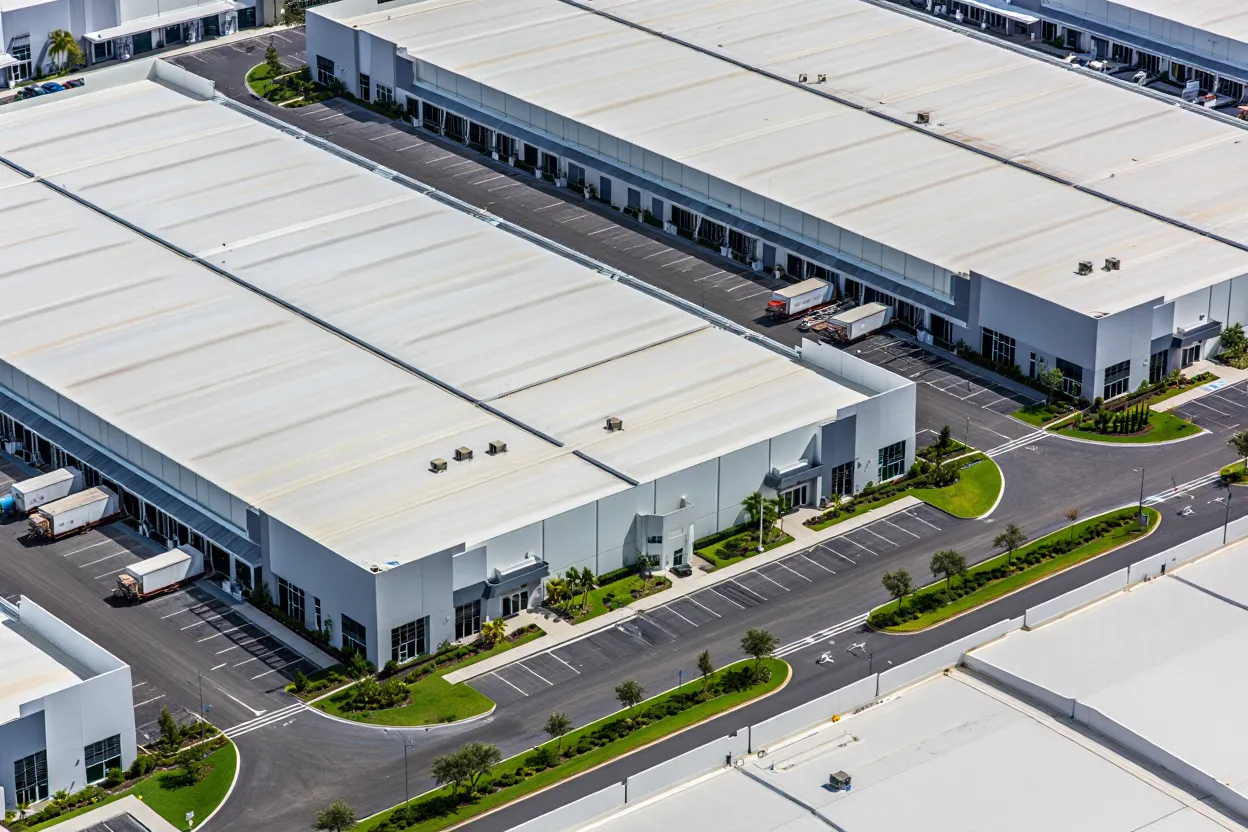
The digital economy is reshaping commercial real estate. Data centers are gaining traction as a dominant asset class. This trend is fueled by growing data use from smartphones, smart devices, and AI technologies.
As Bodner explains, “You still need data center capacity to meet those data needs.” Capital is flowing into the sector. However, he warns that overbuilding could lead to falling rents and lower values.
High land costs in major markets are pushing investors into secondary and tertiary areas. But these locations come with added risks. Even so, core markets remain solid investment targets.
Tax Policy Uncertainty Remains
Tax reform is another factor influencing CRE M&A decisions. The House has passed its version of a tax bill, but the Senate is still negotiating. While issues like carried interest and like-kind exchanges appear settled, foreign capital treatment is still unclear.
Bodner says if current provisions remain unchanged, the real estate industry would welcome the outcome. For now, though, dealmakers remain cautious as they wait for final details.
Why It Matters
Despite ongoing challenges, commercial real estate is adapting. Dealmakers are targeting sectors that align with demographic shifts and new economic demands. Creative reuse and a focus on alternative assets could drive a recovery in deal volume.
What’s Next
Expect more M&A activity in sectors like data centers, healthcare, and cold storage. As market conditions evolve and clarity on tax policy improves, PwC believes the deal cycle may be ready to turn. Firms that stay alert and flexible could gain an early advantage.