



- Foreign investment in NYC multifamily hit $7B through Q3 2025, with global firms winning 31% of deals, per JLL.
- Investors from Japan, Israel, Germany, and South Korea continue buying core and value-add multifamily assets in Manhattan and Brooklyn.
- Despite political uncertainty, including proposed rent freezes, foreign capital views NYC as a safe, high-demand market driven by job growth, tech expansion, and stable fundamentals.
Still A Global Favorite
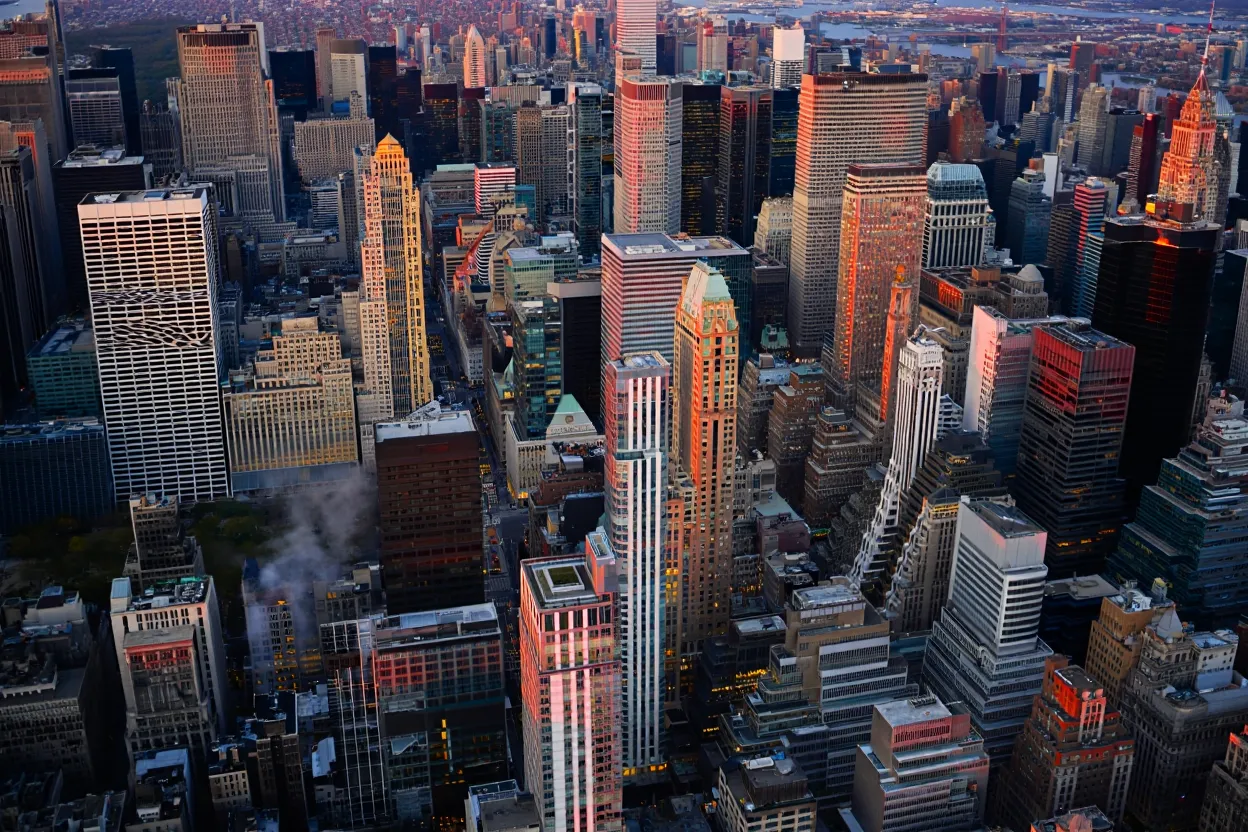
New York City remains a magnet for foreign real estate investment, reports Commercial Observer. The multifamily sector, in particular, has drawn significant interest. It recorded over $7B in sales during the first nine months of 2025, according to Ariel Property Advisors. Despite regulatory uncertainty and proposals for a rent freeze by incoming Mayor Zohran Mamdani, international buyers are maintaining – and even increasing – their presence in the market.
Where The Money’s Coming From
Foreign capital is pouring in from Japan, South Korea, Germany, Canada, China, Israel, and Argentina. These investors are drawn to New York’s enduring global appeal, strong fundamentals, and access to talent. In fact, JLL data shows global firms accounted for 31% of all successful multifamily bidders in NYC in 2025 so far, up from prior years.
Why New York Still Works
“Fundamentals” is the word industry leaders keep returning to. The city boasts major universities, top employers, and the largest share of 2025 US graduates relocating for work. NYC also leads the US in AI job creation, with OpenAI’s SoHo expansion just one of many examples. Tech now represents 6% of the city’s workforce and growing.
Get Smarter about what matters in CRE
Stay ahead of trends in commercial real estate with CRE Daily – the free newsletter delivering everything you need to start your day in just 5-minutes
Resilience Through Regulation
While Mamdani’s proposed rent freeze on stabilized units has raised concerns, most foreign investors are taking a measured “wait-and-see” approach. If stricter tenant protections move forward, analysts expect international buyers to become more selective and may shift toward debt positions rather than direct ownership to manage risk.
Recent Deals Underscore Commitment
Foreign buyers are not just looking — they’re actively closing deals:
- Hanshin Juken (Japan) bought a SoHo apartment building for $18M.
- A Japanese investor acquired two buildings in Greenwich Village for $24.9M.
- Closer Properties, led by Chinese billionaire Zhang Xin, purchased $62.5M in Upper East Side assets.
- Realya (Israel) picked up a 5-building portfolio in Greenwich Village for $24.3M.
- Pamera North America (Germany) spent $49.5M on a mixed-use NoHo property.
Beyond Manhattan
A growing number of foreign investors are eyeing Brooklyn for its relative value and younger renter base. Taiwan-based buyers picked up new-construction properties in Bedford-Stuyvesant earlier this year, and Alpha Realty has facilitated multiple foreign-backed transactions in the borough. Analysts say this represents a clear shift toward outer borough interest.
A Play For Diversification And Stability
From currency hedges to geographic diversification, multifamily properties in NYC are seen as reliable, long-term holds. Sophisticated overseas investors — including sovereign wealth funds and pension funds — are targeting both stabilized assets and core trophy properties in partnership with local operators.
Looking Ahead
Foreign investment in US multifamily is rising nationwide. According to the Association of Foreign Investors in Real Estate, 50% of international institutions now list multifamily as their primary asset class. Affordability and housing availability remain top priorities in shaping their future strategies.
Despite political uncertainties, the fundamentals of New York City real estate — high demand, strong rental markets, and global prestige — continue to outweigh the risks. As Ariel’s Shimon Shkury put it: “There are challenges, but New York remains the safest bet for global capital.”