







- Convenience store cap rates averaged 5.63% in Q2 2026, the lowest among 17 net lease categories B&E follows, even as war-driven fuel prices stay volatile.
- Buyers lean on in-store and food service income, 100% bonus depreciation from July 2025 helps equipment-heavy stations, and national chains are buying with cash.
- Getty Realty’s $260.9M purchase and leaseback of a 41-store Refuel portfolio was the biggest deal of the year, while smaller operators increasingly sell as costs rise.
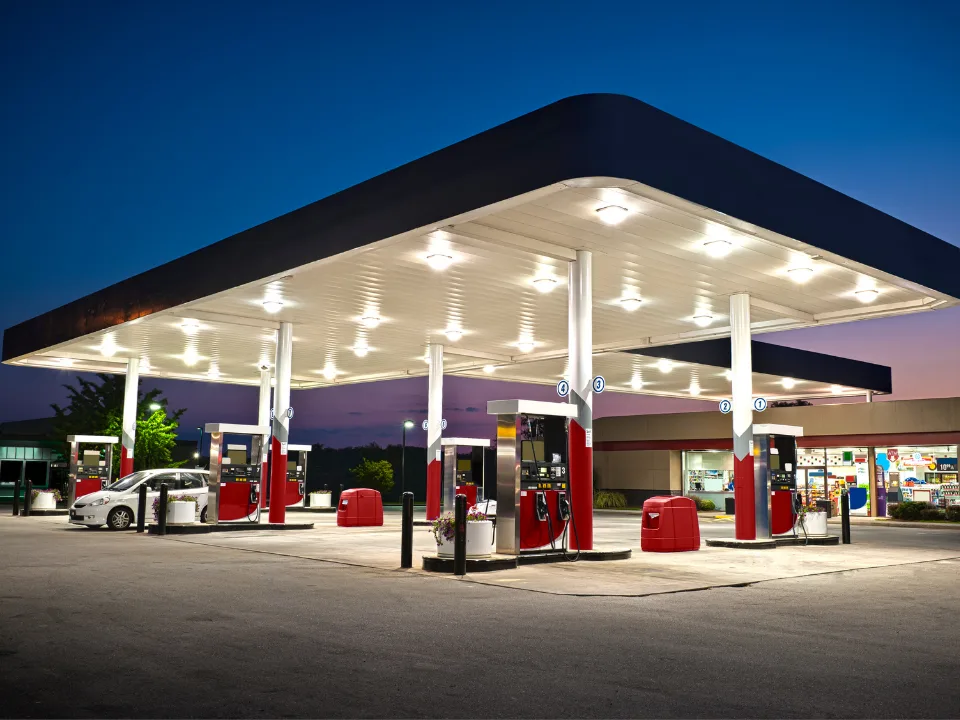
Investors are still buying gas station real estate even as fuel prices surge, Bisnow reports, and convenience store cap rates rank with the lowest in retail.
A supply shock tied to the war in Iran has left fuel prices high and volatile, but buyers are betting income from inside the store will hold up.
Get Smarter about what matters in CRE
Stay ahead of trends in commercial real estate with CRE Daily – the free newsletter delivering everything you need to start your day in just 5-minutes
Tight Cap Rates
MMGC Invest data show sector cap rates roughly half a point over the 10-year Treasury, with top-credit leases pricing at or below it. Convenience stores averaged 5.63% in Q2 2026, versus about 5.57% a year earlier, the lowest among the 17 net lease categories B&E follows.
That sits just under grocery and supermarket properties at 5.66%, and far below pharmacies, discount stores and early learning centers, all above 7%.
Prices Keep Climbing
An August Northmarq report put the average closed sale near $4.6M, or about $1,400 per SF. CBRE’s Sai Thakor, a seven-year Houston specialist, told Bisnow sites that sold for $1.5M to $2M when he started now trade for $4M to $5M.
Fuel Isn’t the Driver
Thakor said higher pump prices do not automatically mean wider margins, unless an operator bought fuel cheaply and holds it in large tanks. Big operators focus on nonfuel income such as distinctive food and beverage or an on-site McDonald’s or Starbucks.
An industry report found the most profitable tenth of operators sold over seven times as much food service as the least profitable tenth in 2025. Lee & Associates’ Brandi Dees told Bisnow gas prices do not change her buyer and seller conversations. Competitors opening nearby and weak in-store sales matter more.
Cash Buyers and Tax Breaks
Thakor is closing many deals with national operators, which are acquiring heavily and paying cash. Many are public companies that keep acquiring to satisfy allocation targets, Thakor said.
The full bonus depreciation rule enacted in July 2025 also helps, since it lets investors deduct equipment costs upfront in an equipment-heavy sector. Northmarq’s Sage Chaffin told Bisnow it helps juice returns.
Small Operators Sell
More than 116,000 U.S. convenience stores sell fuel, and roughly three-fifths run just one store, per Northmarq. Chaffin said more mom-and-pop owners want out because they cannot keep up with rising costs and would rather join a larger platform with more control over supply.
Bigger operators can also run labor leaner by having one employee oversee more than one store. Thakor said fuel prices have lifted the inventory buyers acquire at closing, to $200K to $250K from the historical $100K to $150K.
Getty’s Sale-Leaseback Leads Deals
In late September, Getty Realty bought a 41-store Refuel portfolio spanning the Carolinas, Texas and Mississippi for $260.9M and leased it back, the year’s biggest transaction. Per a release, Refuel sites average nearly 5K SF on 2.5 acres and offer hot food or branded restaurants.
Buyers range from wealthy individuals to family offices and institutional funds. Chaffin described convenience stores as recession-resistant.
Why It Matters
Selling older, smaller sites has gotten harder. Dees said investors will no longer pay to add nonfuel revenue unless a site already makes money. MMGC’s Michal Mohelsky said gas stations once made up 10% to 15% of his firm’s business and now account for about 60%, and lenders must be careful modeling loans because margins keep moving.
The appetite fits a longer trend, as CRE Daily reported when c-store net lease activity reached record levels.
What’s Next
Mohelsky said operators who sell now at elevated prices could come out ahead. Watch whether more small owners exit and whether fuel volatility starts to move cap rates.