



- Walgreens will close a 500K SF Houston industrial distribution center by June 2026.
- The closure impacts 159 jobs, with operations moving to Waxahachie, TX.
- The affected facility was developed in 2008 and featured advanced logistics systems.
- The move is part of Walgreens’ broader cost-cutting and consolidation strategy.
Major Houston Industrial Facility to Shutter
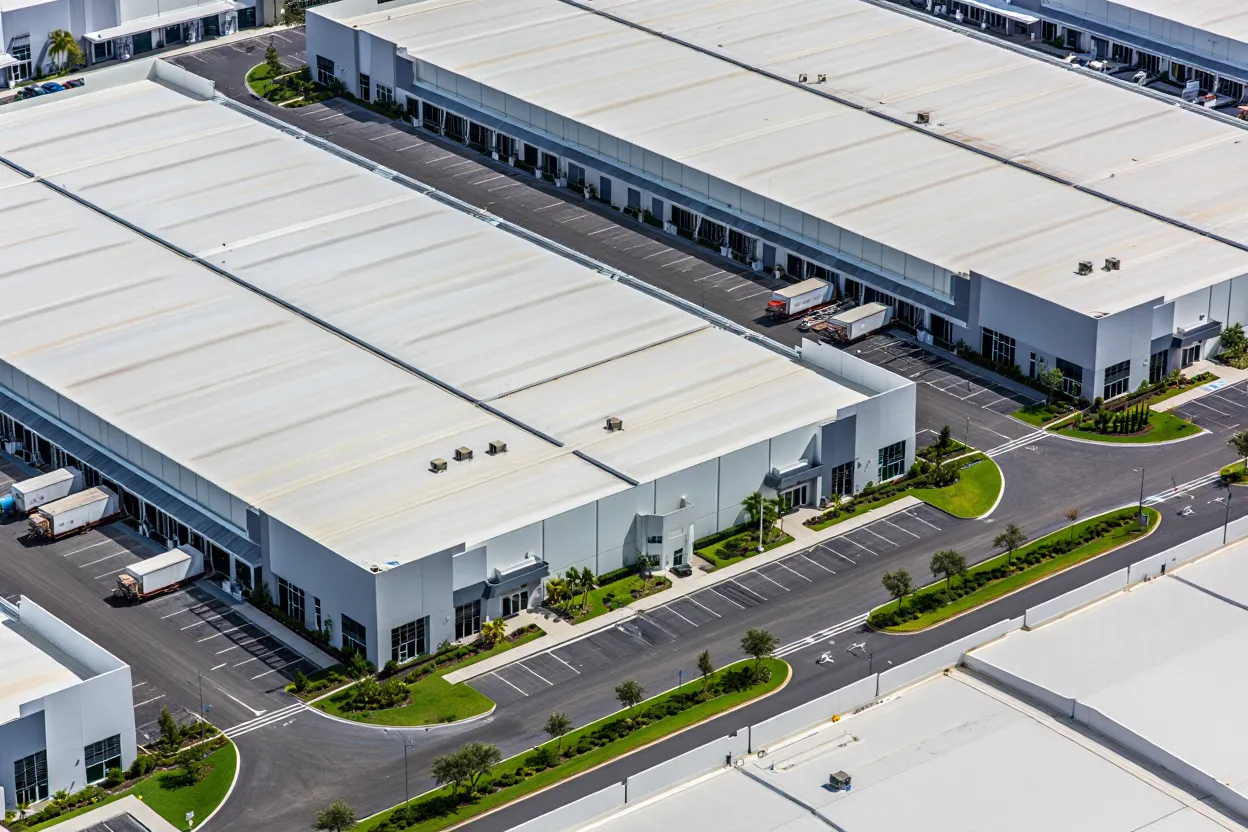
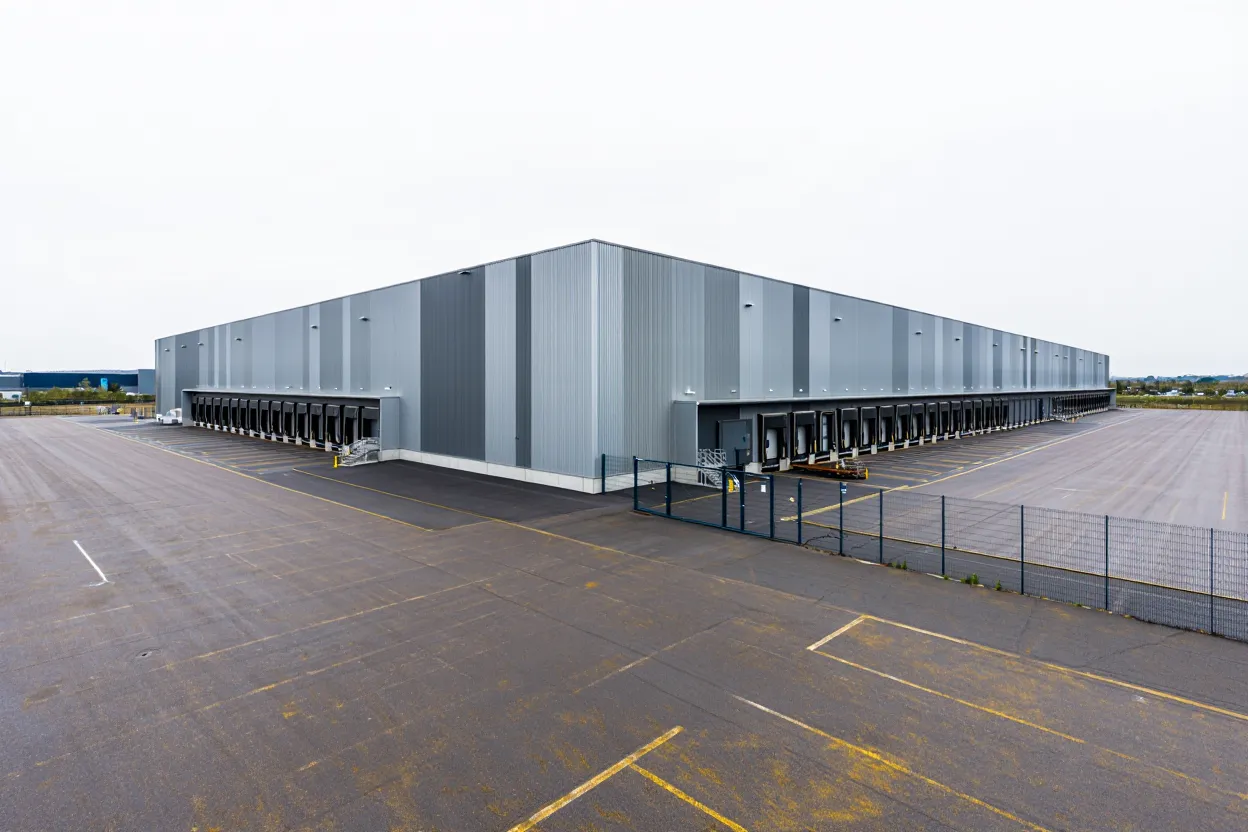
According to Bisnow, Walgreens plans to shut down its 500K SF Houston industrial distribution center at 1805 Greens Road, cutting 159 jobs. The closure will happen around June 1, according to a Texas WARN notice. Operations will be consolidated at Walgreens’ Waxahachie facility, located 212 miles north of Houston.
Strategic Consolidation Continues
This Houston industrial site, built in 2008 as a build-to-suit cross-dock facility, includes 10K SF of office and advanced logistics features. Walgreens’ consolidation reflects a shift in its distribution strategy, aiming to streamline service and reduce overall workload at store level by routing deliveries through its Waxahachie center.
Get Smarter About What Matters in Texas
Subscribe to our free newsletter covering the biggest commercial real estate stories across Texas — delivered in just 5 minutes.
Cost Pressures and Industry Trends
Houston industrial market observers note Walgreens’ move follows similar closures, including recent shutdowns in Florida and Connecticut. The company has committed to closing 1,200 stores nationwide by 2027, part of a broader restructuring effort that also includes plans to take the pharmacy giant private in a roughly $10B deal. Industrywide, retail pharmacy companies like Rite Aid have also shuttered locations amid ongoing competitive and operational pressures
Private Equity Ownership Influences Decisions
Sycamore Partners acquired Walgreens in August and quickly pushed restructuring and tighter cost controls. The firm has focused on trimming expenses and improving operational efficiency across the company.
This Houston closure reflects that strategy. Major pharmacy chains are reworking logistics networks to cut costs and boost margins. At the same time, they are adjusting to weaker retail demand and ongoing supply chain pressure in Houston’s industrial market.