



- Immigration policy is sharply slowing US labor force growth, with job creation nearly stalled even as GDP rises.
- Multifamily, industrial, and office sectors must adapt underwriting assumptions as traditional links between GDP and job growth weaken.
- Demand in multifamily and industrial may hold in select markets, but labor shortages limit expansion and change demand composition.
- Office absorption can remain positive for high-quality assets, even without broad-based payroll gains.
Labor Market Weakness Reshapes CRE Strategy
Commercial real estate investors are rethinking traditional underwriting models as a new cycle takes shape. Immigration policy has become a key factor, leading to a slowdown in US job growth despite continued economic output, per Globe St. This disconnect was the central theme of a recent Marcus & Millichap webinar, with industry leaders and economists highlighting its effects across the multifamily, industrial, and office sectors.
Multifamily Faces Demand Shift
Multifamily is among the first sectors feeling the effects of tighter immigration policy. Starts and construction volumes have fallen quickly. Yet the gap between rising rents and high mortgage costs continues to support renter demand. Household formation now depends more on higher-income renters. In contrast, lower-income demand shows signs of weakening.
Underwriting practices are shifting in response. Lenders and investors now perform deeper, market-specific analysis. They stress test scenarios where affordability and limited supply drive absorption—not job creation. Developers also continue to face labor-related construction disruptions tied to federal immigration shifts, adding further pressure to pipeline decisions. This granular focus is necessary as traditional demand models lose relevance.
Get Smarter about what matters in CRE
Stay ahead of trends in commercial real estate with CRE Daily – the free newsletter delivering everything you need to start your day in just 5-minutes
Industrial Sectors Evaluating Labor Availability
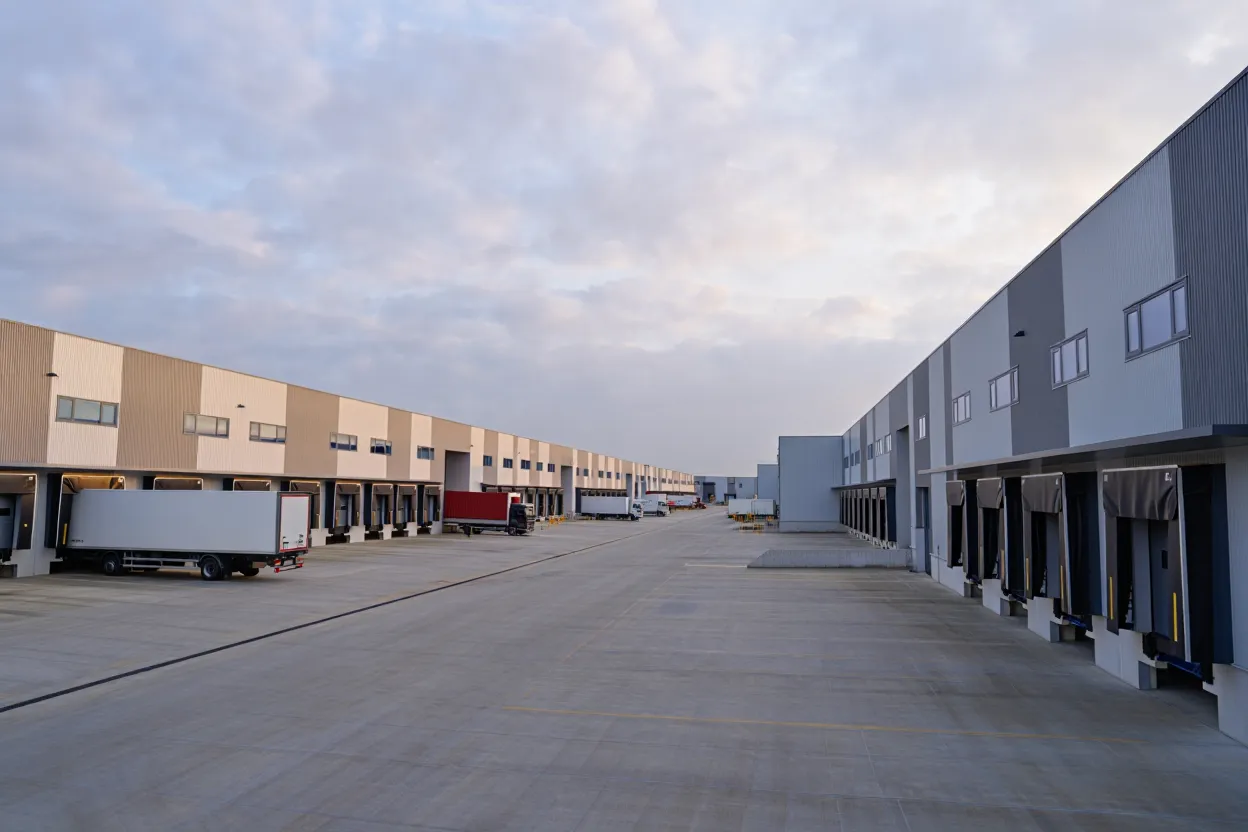
For industrial properties, excess new supply—especially in larger assets—meets the reality of labor shortages. Immigrant labor is essential in warehousing and logistics, and ongoing restrictions may limit the viability of big-box industrial in some areas. Investors are prioritizing labor availability in underwriting alongside logistics and infrastructure, with infill and smaller assets in talent-attracting metros outperforming in a ‘jobless growth’ market.
Office Absorption Decouples from Jobs
Office markets are showing stabilization even without a rebound in white-collar payrolls. Demand is strongest for well-located, high-amenity assets, while older urban offices struggle. Companies are reconfiguring space usage rather than reducing total space, with AI adoption further delaying hiring decisions. Underwriting office assets now means distinguishing between properties obsolete due to long-term trends and those that can absorb demand with flat job growth.
Why Immigration Policy Remains Critical
Across sectors, restrictive immigration policy is a major constraint on CRE growth. Investors are urged to focus on local labor dynamics, sector-specific employment, and immigration exposure instead of relying solely on aggregate GDP. Success in this economic cycle will depend on identifying assets and metros resilient in an environment of jobless economic growth, making immigration policy a central underwriting concern for the CRE industry.