



- Demand for large-format, newer industrial assets reached a multi-year high in H2 2025.
- 3PLs and manufacturers led 63% of leasing activity in these industrial assets.
- Build-to-suit projects and user purchases are up, as vacancy rates for large warehouses decline.
- Inland markets with lower-than-average rents are attracting most new leases for industrial assets.
Flight to Quality Grows
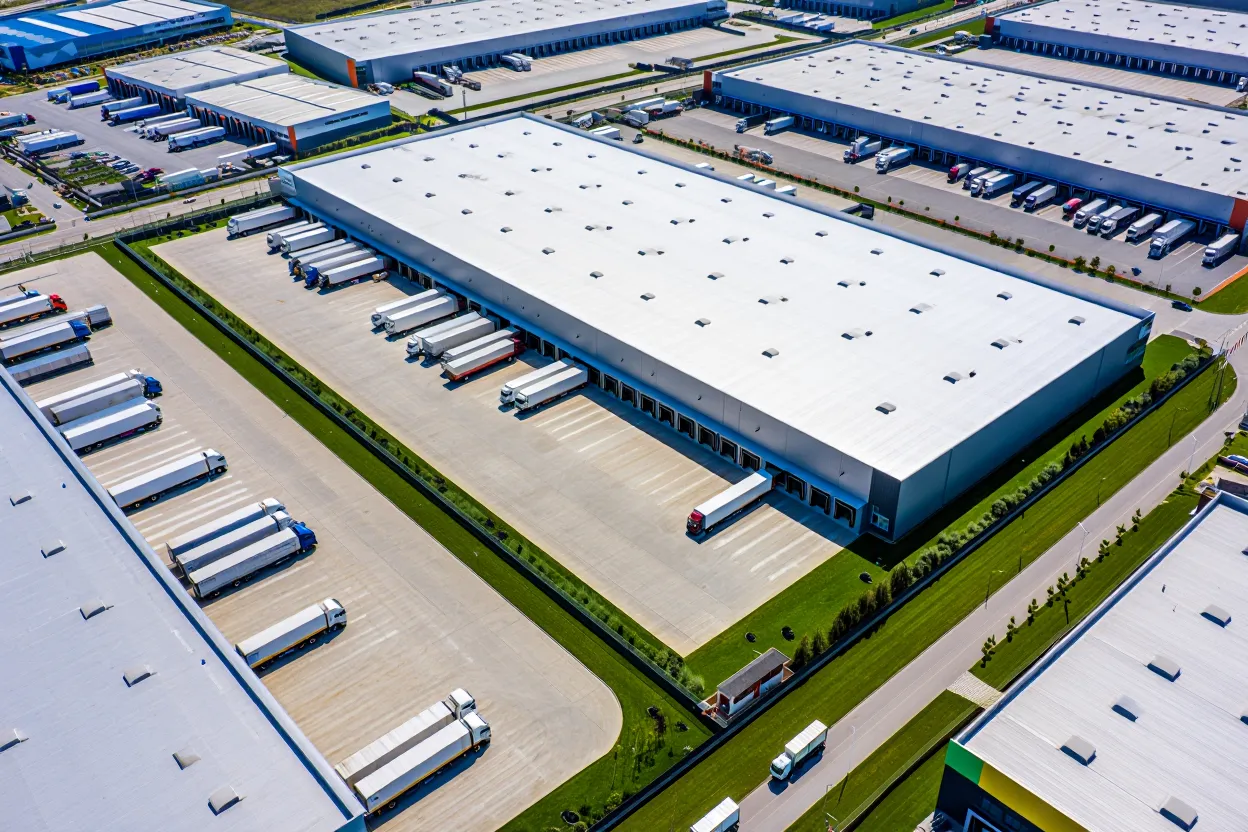
Industrial assets delivered since 2020 dominated absorption in the second half of 2025, according to Cushman & Wakefield. Companies are consolidating operations into Class A warehouses offering advanced automation potential, higher clear heights, and better power infrastructure. This trend is driving record activity in industrial assets, especially for logistics and manufacturing tenants seeking modern, efficient operations, reports Globe St.
Build-to-Suit and Leasing Trends
Build-to-suit (BTS) strategies for industrial assets gained momentum, with a year-over-year rise of 11% in BTS development. Nearly a fifth of large lease deals (over 500 KSF) were linked to BTS projects. Additionally, 71% of 2025’s 104 major leases occurred in lower-rent regions, reflecting tenants’ shift away from coastal markets where industrial assets command premium pricing, a dynamic also reflected in the strong leasing momentum from third-party logistics providers earlier in the year as supply chain operators prioritized scale and efficiency.
Get Smarter about what matters in CRE
Stay ahead of trends in commercial real estate with CRE Daily – the free newsletter delivering everything you need to start your day in just 5-minutes
Vacancy Drops as Ownership Rises
Vacancy in large industrial assets fell 140 basis points in 2025, as speculative supply tightened. User-purchase activity soared to 36.7 MSF, marking a decade high and a 68% surge from 2024. Major retailers, 3PLs, and e-commerce players are moving to own assets outright amid limited speculative offerings and ongoing supply chain recalibration.
Development Outlook Remains Strong
A shrinking development pipeline is set to support strong occupancy and rent growth for industrial assets through 2026. Developers are accelerating large-scale projects in growth markets, while investors continue to target modern warehouses with attractive locations. Continued tenant flight to quality and inland pricing advantages will likely sustain momentum for new industrial assets in the coming year.