



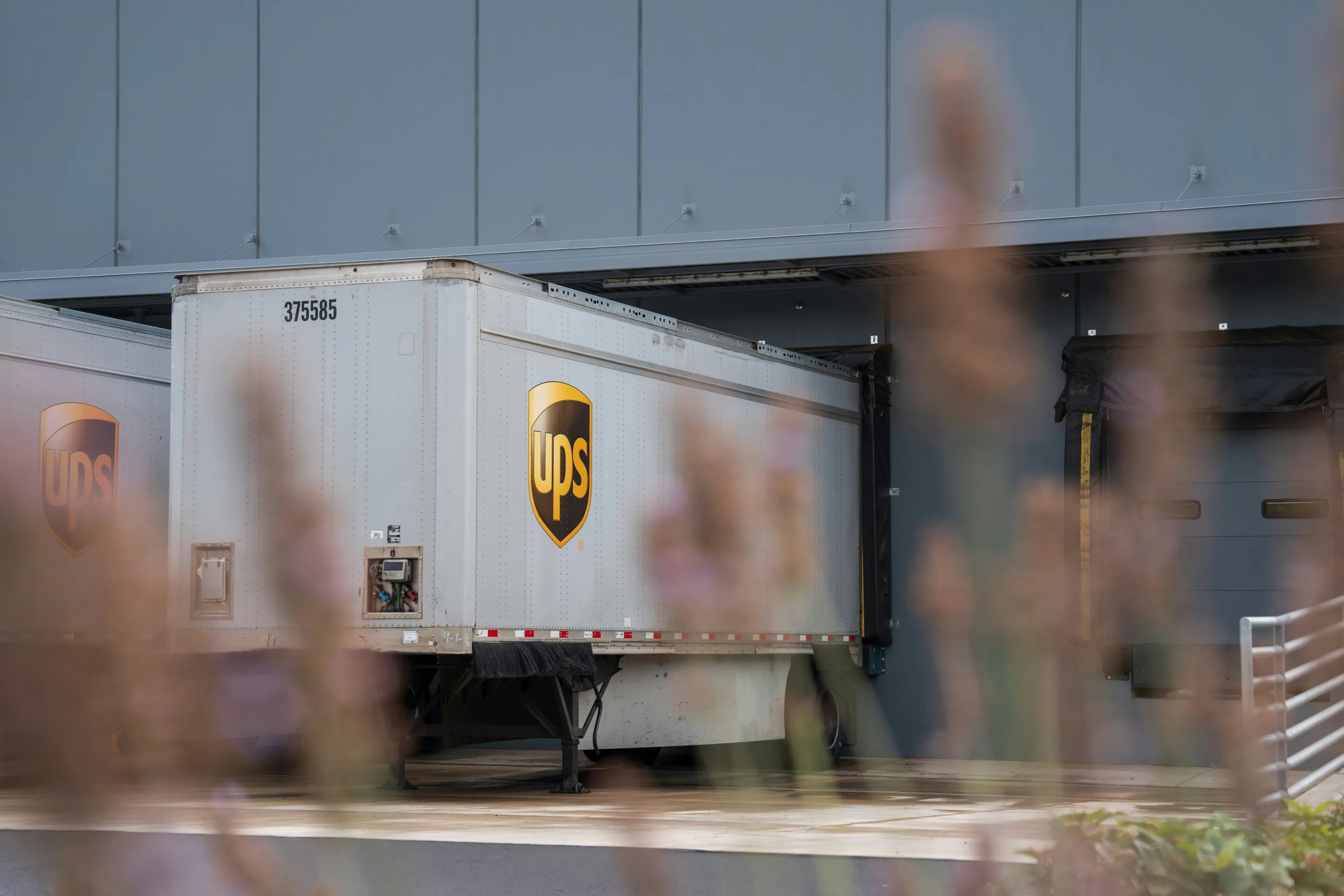
- UPS will close 22 industrial facilities in 2026, including two major regional hubs.
- Facility closures are part of a larger downsizing strategy that targets 30,000 job cuts.
- Three facilities in Massachusetts are on the closure list, the most of any state.
- The shutdowns come amid a labor dispute and efforts to reduce exposure to low-margin business.
Industrial Downsizing Accelerates
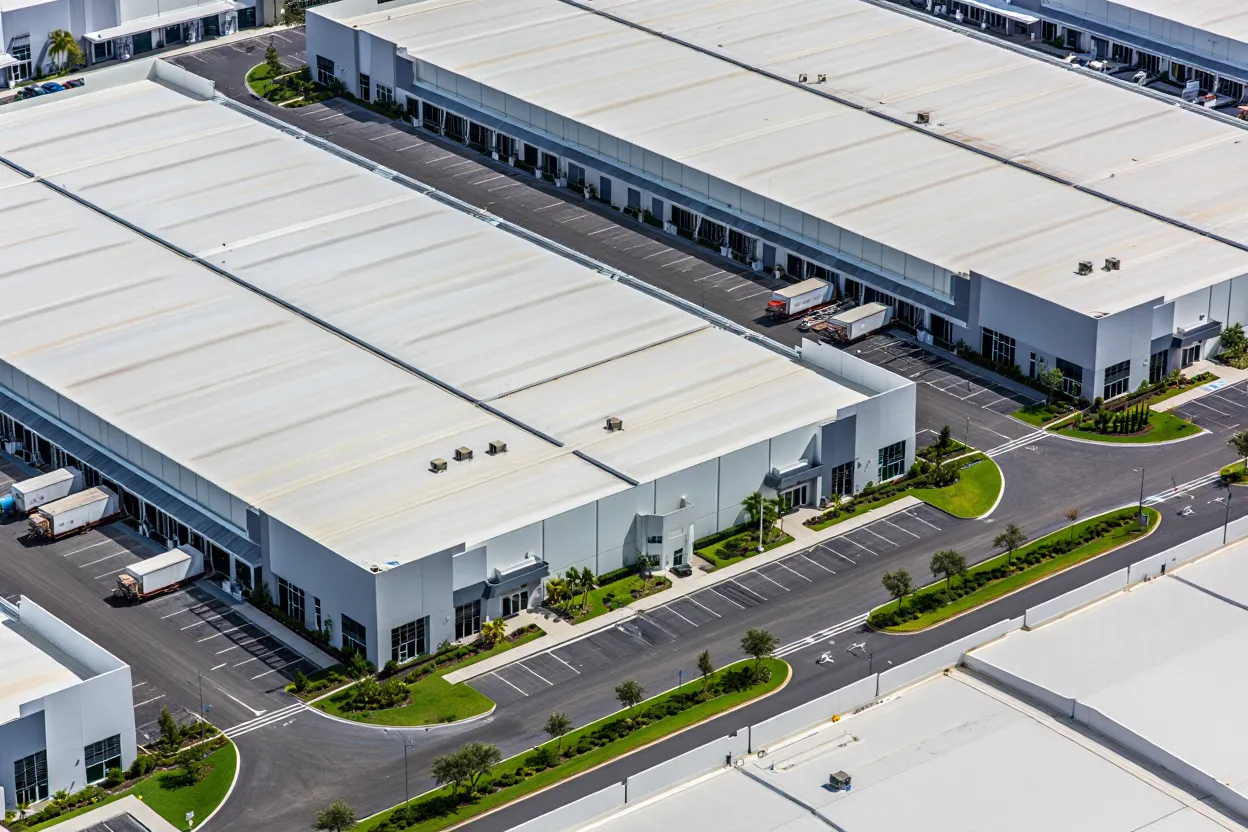
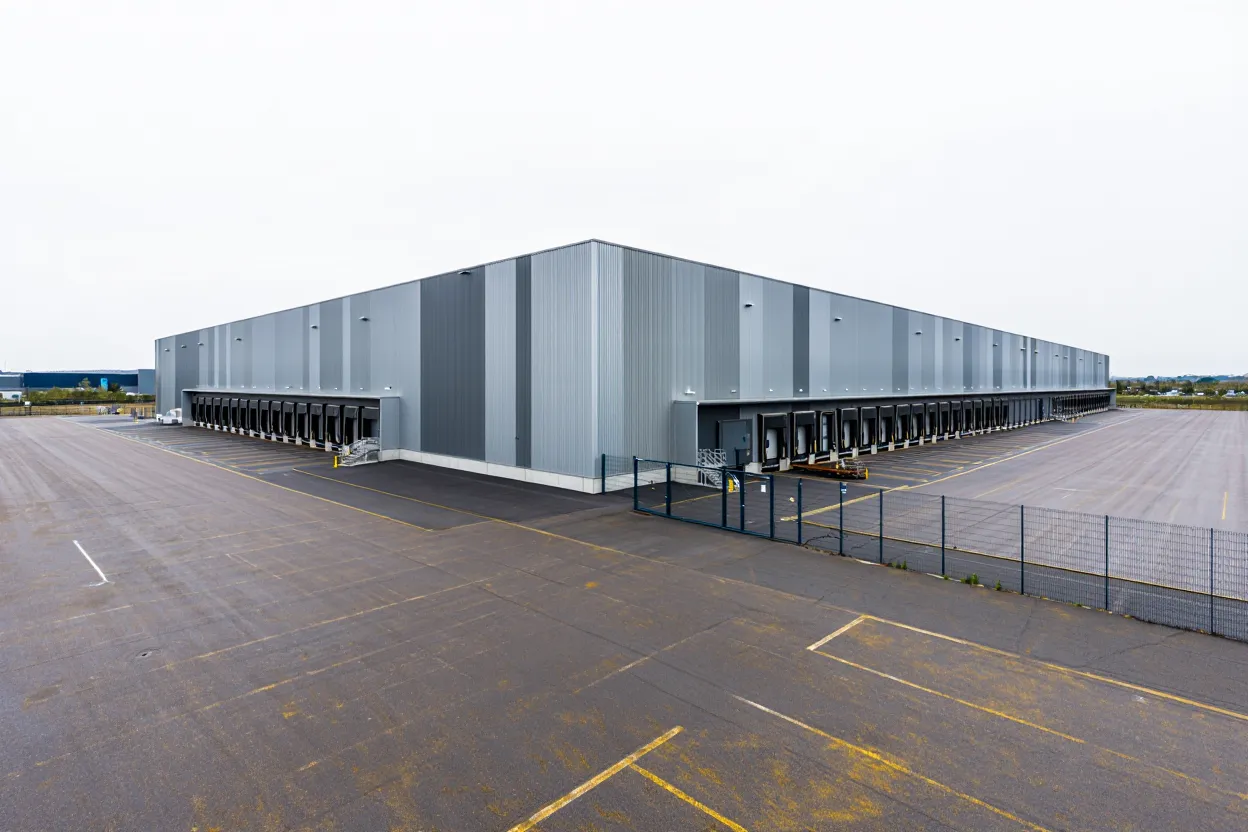
Bisnow reports that UPS has disclosed the locations of 22 facilities scheduled to close in 2026, following earlier reports of a 24-facility reduction. The closures cover both large hubs—such as Atlanta’s 270 Marvin Miller Drive and West Columbia, South Carolina—and 20 smaller sites across the US. This update came from a court document filed in Massachusetts and follows significant network restructuring by the shipping giant.
Why It Matters
The industrial closures signal UPS’s strategy to streamline operations amid competitive pressure and declining revenue. The move highlights a shift away from lower-margin parcel business, especially those tied to major clients like Amazon. The pullback comes as Amazon continues building out its own logistics network and expanding rural delivery capabilities, further reshaping last-mile demand dynamics. Last year, UPS’s efforts in cutting jobs and consolidating properties generated $3.5B in savings, with additional network changes expected to bring $3B in efficiencies for 2026.
Get Smarter about what matters in CRE
Stay ahead of trends in commercial real estate with CRE Daily – the free newsletter delivering everything you need to start your day in just 5-minutes
Broader CRE Implications
The shuttering of these industrial properties—spanning both owned and leased sites—reflects broader trends in the logistics sector. UPS’s sale-leaseback of select assets, including office and data center space, underscores its focus on liquidity and flexibility. As these buildings come to market, local industrial real estate markets may experience increased availability and shifting tenant demand, especially around regional hubs.
Labor Tensions Continue
The closures are occurring amid an ongoing dispute with the Teamsters union over UPS’s voluntary driver separation program. The union has challenged the program in court, alleging contract violations, while UPS maintains that negotiation—not litigation—is the appropriate resolution path. Labor dynamics could continue to impact both UPS’s operations and real estate planning in the months ahead.