




- Industrial leasing in NYC’s outer boroughs hit 2.6M SF in Q3—already surpassing all of 2024—with Queens and Brooklyn accounting for nearly 90% of activity.
- Despite strong leasing, the vacancy rate jumped 120 basis points to 6.2%, with Staten Island seeing the largest spike due to new availability at Matrix Global Logistics Park.
- Net absorption dropped to -1.7M SF, and asking rents declined by $1.24 to $27.65/SF, though the boroughs still command the highest industrial rents in the US.
- New development is expected to slow, potentially easing vacancy pressures in future quarters.
Market Resilience Tested
Despite macroeconomic headwinds, industrial leasing in New York City’s outer boroughs remains active—particularly in Brooklyn and Queens, reports GlobeSt. Cushman & Wakefield’s Q3 2025 report recorded 2.6M SF leased, surpassing 2024’s total and hitting a historic high.
Major deals included Spectrum’s 200K SF lease in North Brooklyn and a confidential tenant’s 61,425 SF lease in Southern Queens. Other notable signings included Guang Dong Fuhe Packaging Technology Co. (55,074 SF) and Mega Aid Pharmacy (50,800 SF).
Get Smarter about what matters in CRE
Stay ahead of trends in commercial real estate with CRE Daily – the free newsletter delivering everything you need to start your day in just 5-minutes
Vacancy Spikes And Rent Pressure
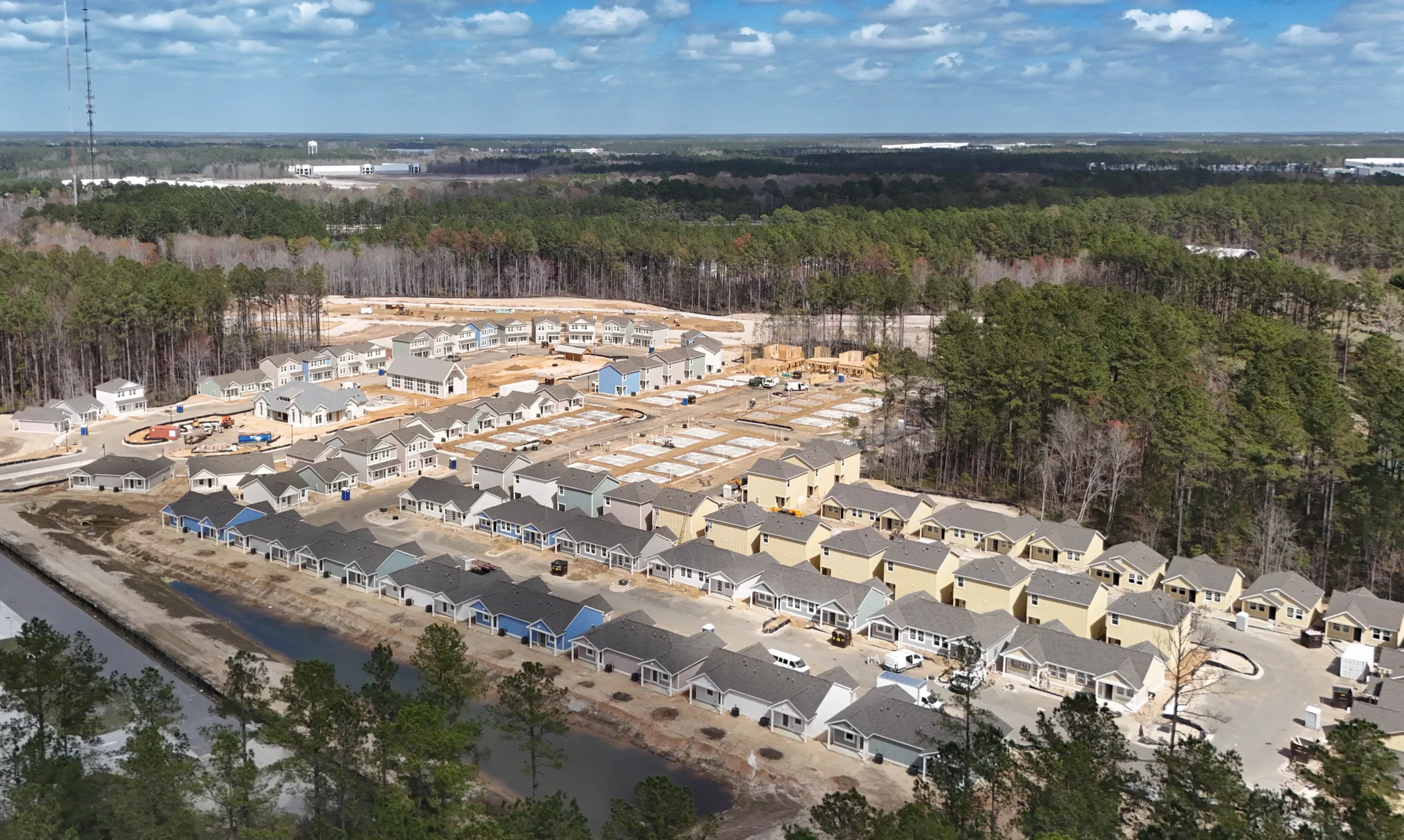
While the industrial leasing boomed, overall fundamentals showed signs of weakening. The vacancy rate rose to 6.2%, a 120-basis-point jump from Q2. Staten Island vacancy hit 16.6% after 975K SF at Matrix Global Logistics Park entered the market for the first time since 2020.
Simultaneously, net absorption turned negative at -1.7M SF, reflecting ongoing supply-demand imbalances. Asking rents fell to $27.65/SF due to an influx of lower-cost space. Despite the drop, the boroughs still command the nation’s highest industrial rents.
Looking Ahead
Development activity expanded in Q3, but future construction is expected to slow. That could help the market rebalance as more space is absorbed and speculative supply eases.
While demand remains strong in key submarkets, oversupply and elevated vacancies remain the biggest challenges heading into 2026.