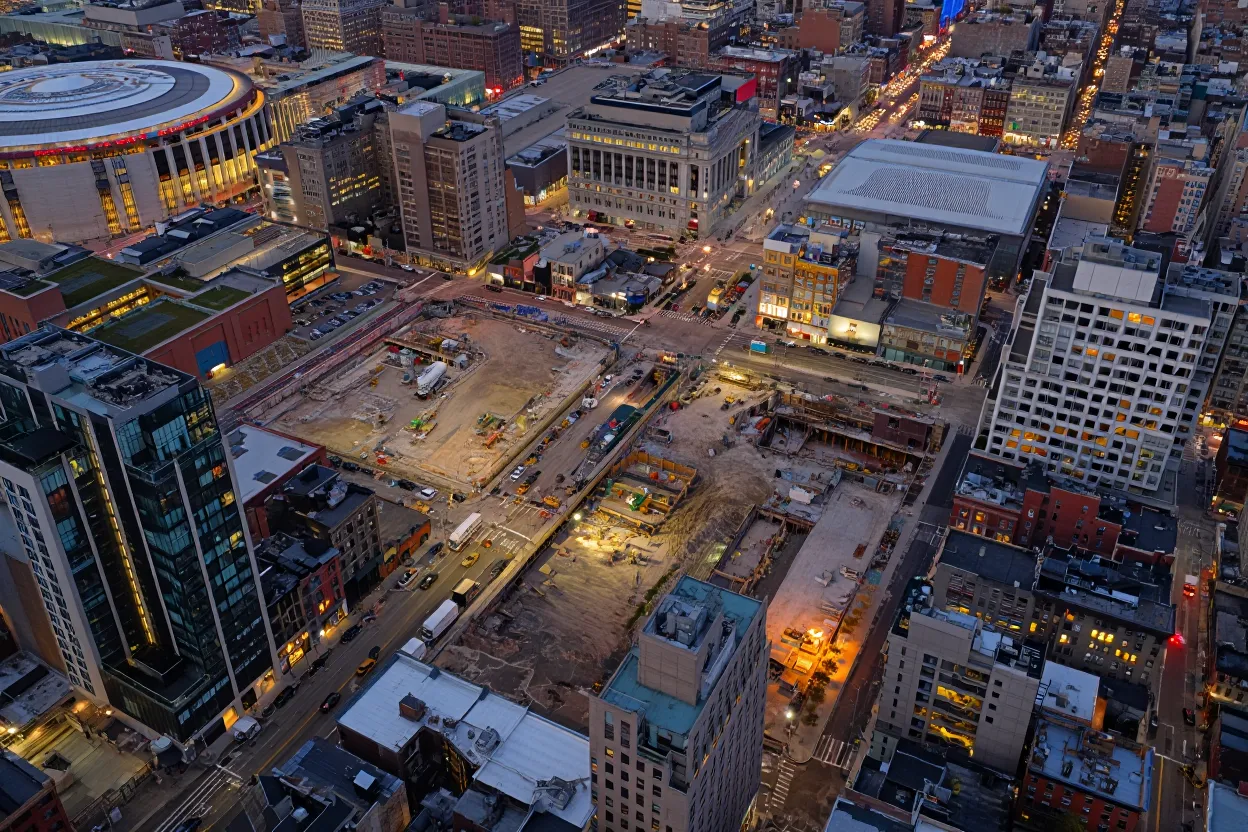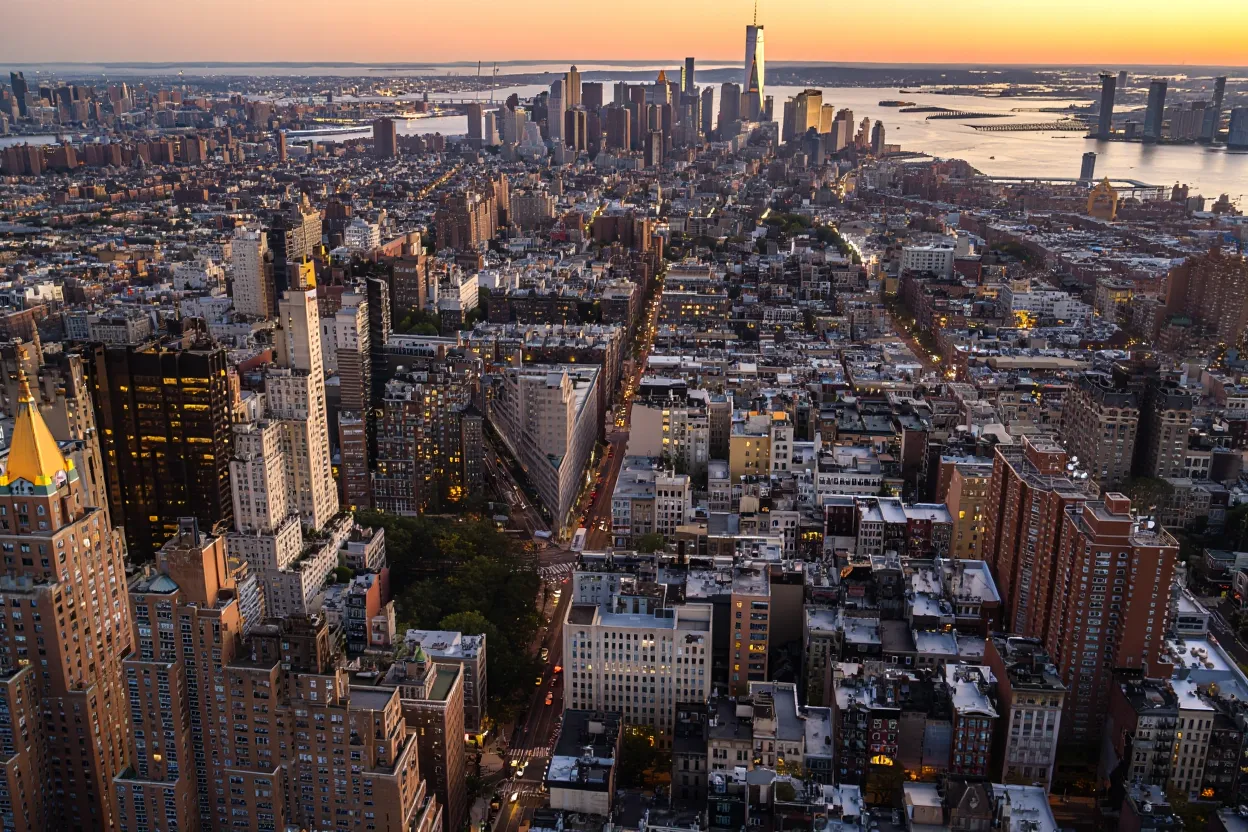



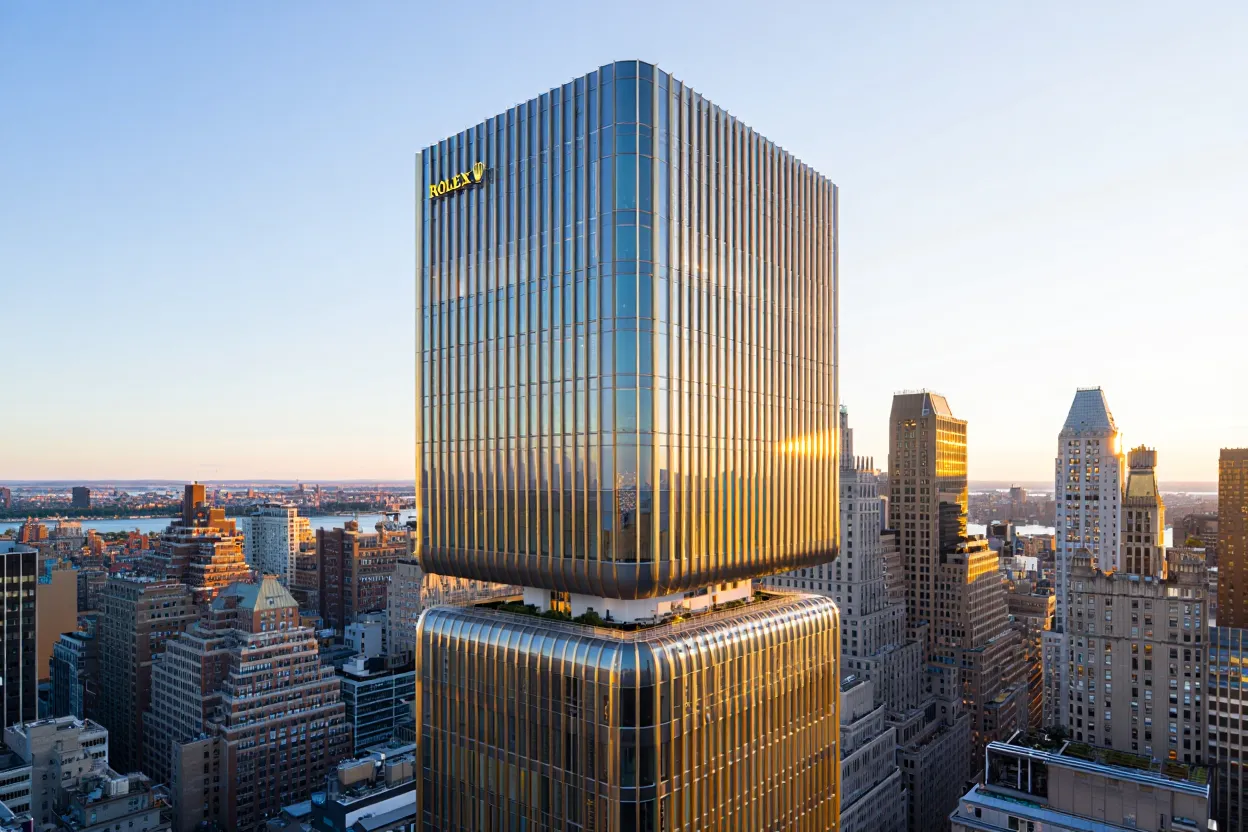

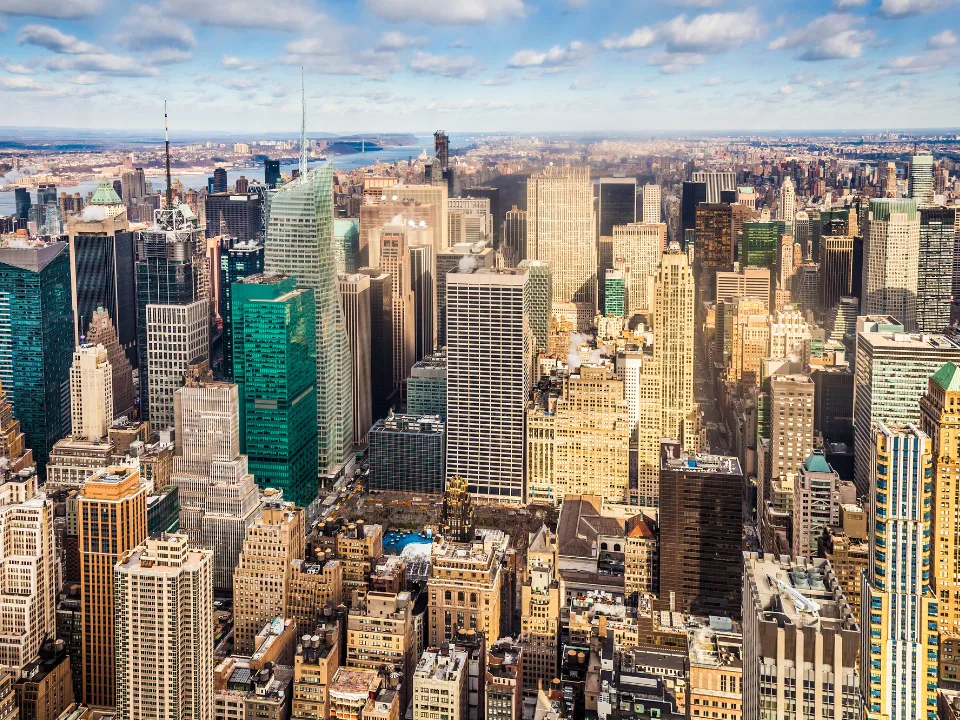
- The Midtown South Mixed-Use Plan rezones 42 blocks from 23rd to 40th streets, paving the way for 9,500 new housing units, with 2,800 permanently affordable.
- The plan targets vacant offices, outdated buildings, and limited housing options, while dedicating $488M to infrastructure and community support.
- With Manhattan rents at record highs and vacancy rates at historic lows, the rezoning is viewed as a critical step to ease the city’s housing crisis.
A New Chapter for Midtown South
The City Council has approved the largest residential Midtown rezoning in two decades, per CoStar. The plan covers the Garment District and nearby neighborhoods between Fifth and Eighth avenues, from 23rd to 40th streets. It aims to replace outdated zoning rules that blocked housing and slowed growth.
Housing in the Heart of Manhattan
The plan opens the door for 9,500 new homes, including 2,800 permanently affordable units. Because the neighborhood sits near Penn Station, the Port Authority, and almost every major subway line, city officials argue it is ideal for high-density housing.
However, the council slightly trimmed the original version, cutting about 200 units from the Planning Commission’s proposal. Even with the reduction, the plan remains the most significant housing initiative for this part of Manhattan.
Get Smarter about what matters in CRE
Stay ahead of trends in commercial real estate with CRE Daily – the free newsletter delivering everything you need to start your day in just 5-minutes
More Than Just Housing
Alongside new housing, the rezoning also delivers $488M in public benefits. This funding will support Garment District businesses, improve infrastructure, and enhance public spaces.
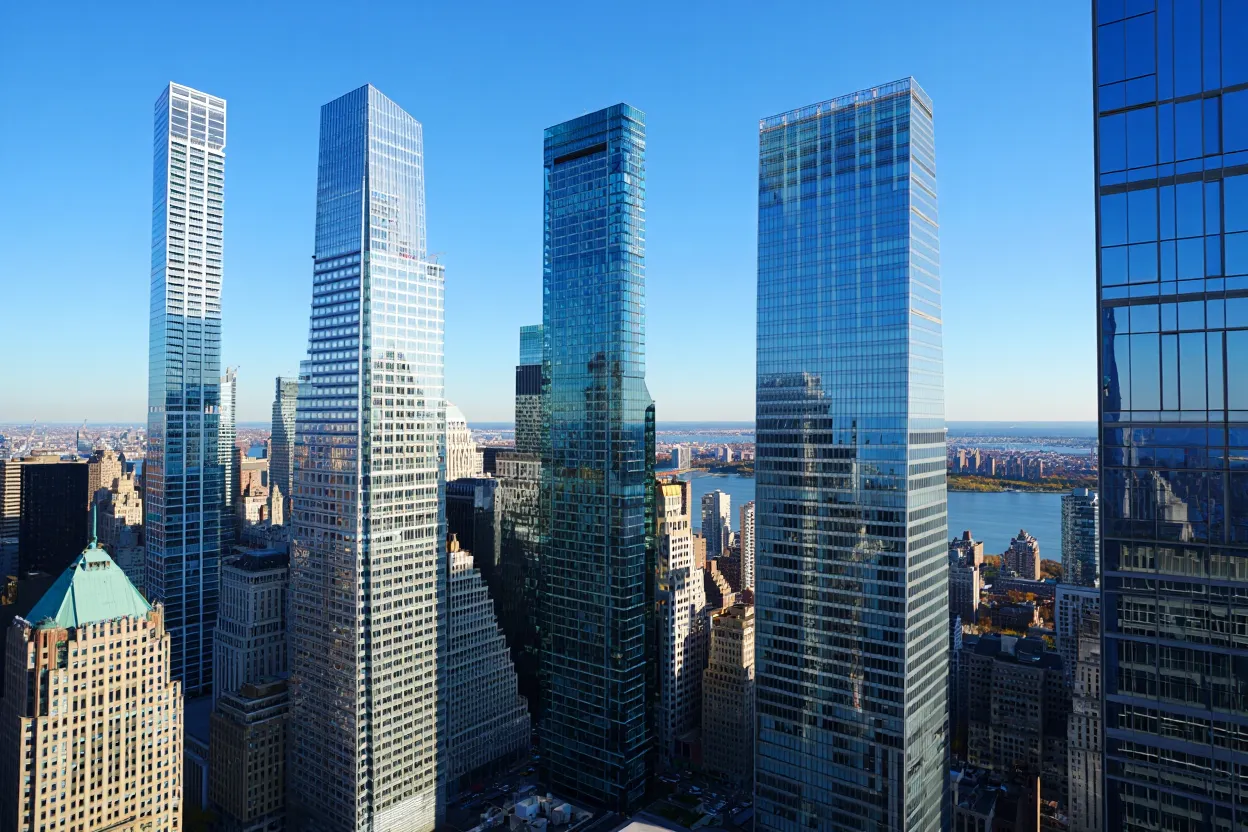
In addition, officials believe the plan will revive an area hit hard by the pandemic. Midtown South continues to struggle with vacant offices and obsolete buildings. Real estate advisor Bob Knakal predicts that half of the buildings in the area will come down within a decade, clearing the way for larger mixed-use towers.
Why It Matters
New York faces one of the tightest rental markets in the country. Currently, the city’s vacancy rate has fallen to 1.4%, far below the national average. Meanwhile, Manhattan’s median rent climbed to $4,700 in July, the fifth record in six months.
Consequently, developers are expected to move quickly. Many will likely use the city’s 467-m incentive program, which grants tax breaks in exchange for affordable units. Combined with new zoning that allows taller and denser projects, the program could spark a wave of conversions and new construction.
Therefore, housing advocates see the rezoning as a crucial step. Moses Gates of the Regional Plan Association praised the effort, saying it balances mixed-income housing with transit access and industry support.
What’s Next
Over the next decade, Midtown South will likely see thousands of new apartments, modern towers, and a redefined Garment District. Ultimately, the rezoning represents more than a land-use shift—it signals New York’s commitment to tackling affordability while reshaping its urban core.