





- Congress is advancing housing crisis bills emphasizing modular housing and mortgage reforms.
- New proposals push for reduced zoning barriers and streamlined environmental reviews to boost home construction.
- Bills target outdated modular housing codes and expand finance options for manufactured homes.
- Efforts focus on increasing access to small-dollar mortgages for low-income and first-time buyers.
Congress Moves on Housing Shortage
The House and Senate have passed landmark bills aimed at alleviating the US housing crisis, with an emphasis on modular housing and improved mortgage accessibility, reports The WSJ. Lawmakers will now reconcile differences between the two versions before forwarding a unified proposal to President Trump.
Both bills represent the most significant federal action on housing in decades, aiming to address supply issues and affordability across the country.
Supporting Modular Housing Development
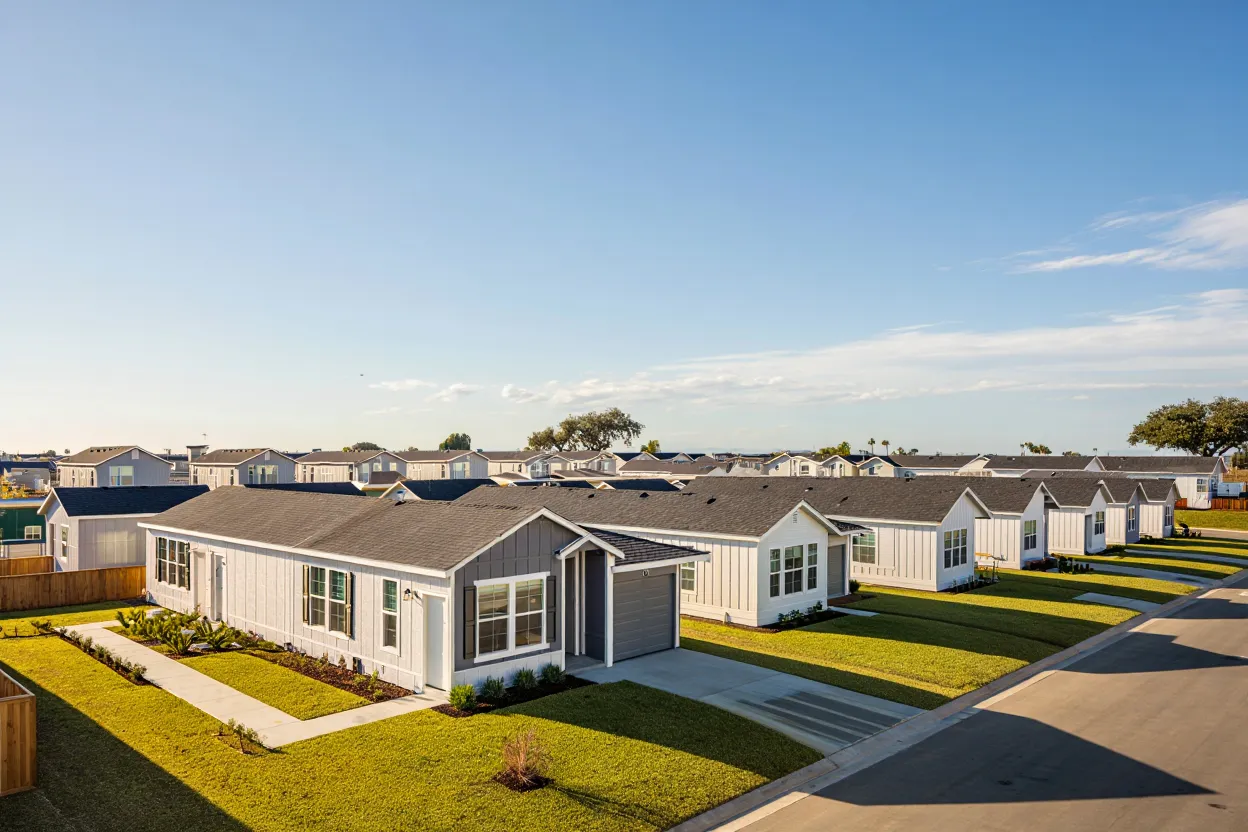
Congress’s proposals prioritize modular housing as a way to deliver homes faster and at a lower cost. By eliminating the ‘permanent chassis requirement,’ the bills address a key builder complaint—allowing for less expensive, stationary factory-built homes. The Senate bill would further support modular housing by raising loan limits for manufactured homes, easing access to capital for buyers and developers.
Modernizing building codes and expanding financing are expected to increase adoption of modular housing, benefiting both the industry and homebuyers. The push comes as major multifamily players and apartment owners are increasingly turning to factory-built construction to cut costs and speed up delivery, underscoring how modular methods are gaining traction across the broader rental housing market.
Get Smarter about what matters in CRE
Stay ahead of trends in commercial real estate with CRE Daily – the free newsletter delivering everything you need to start your day in just 5-minutes
Regulatory and Zoning Reforms
Both versions of the bills focus on reducing regulatory barriers that slow construction. Proposals recommend that cities adjust zoning rules to support new housing, particularly near transit hubs. While not mandatory, these guidelines set a blueprint for local governments and may influence broader adoption.
The bills also seek to streamline federal environmental reviews, exempting certain urban projects to speed up approvals. This could signal states to reduce their own development ‘red tape.’
Expanding Mortgage Access
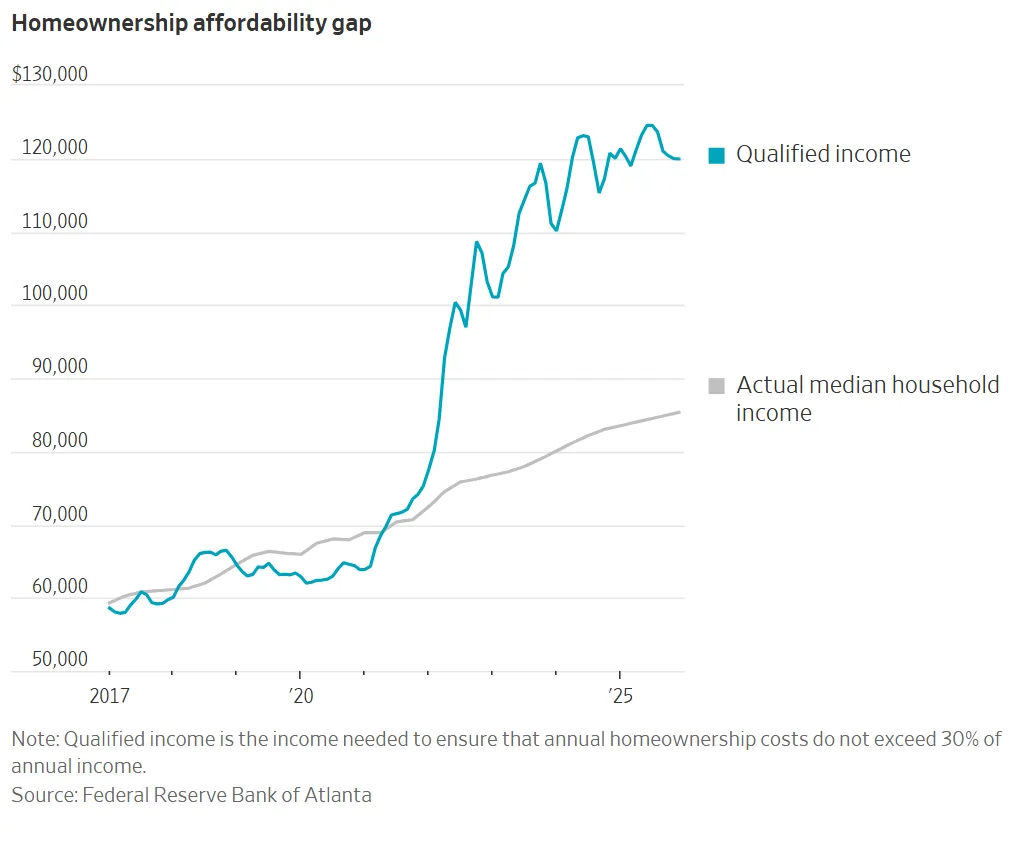
To help more Americans afford homes—including those interested in modular housing—the bills expand access to small-dollar mortgages, especially for low-income and first-time buyers. A new pilot program would also allow qualifying public housing residents to build up savings as their incomes grow.
With the government’s influence over mortgage finance, these measures could lower borrowing costs and widen access to homeownership if enacted.