





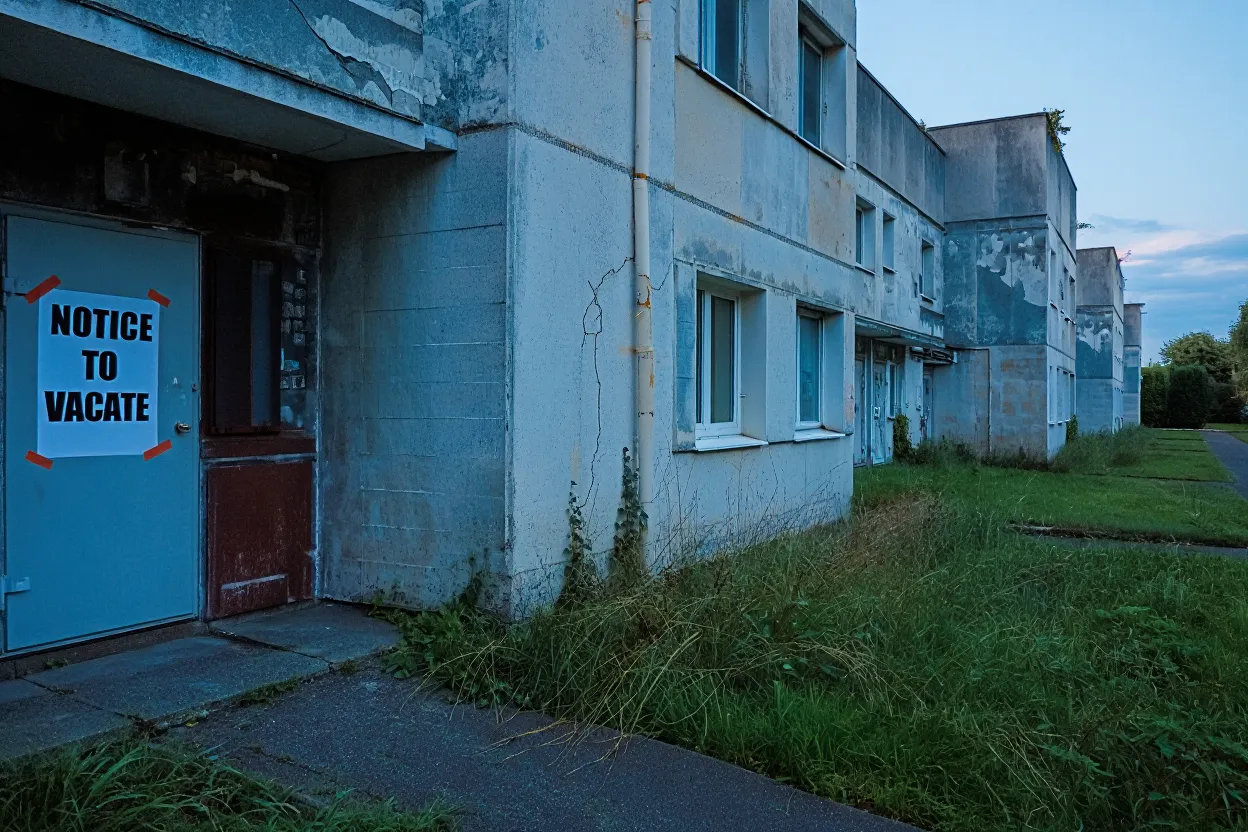
- Trump administration ends the federal 30-day eviction notice rule for national affordable housing.
- Eviction timelines now depend on local laws, with some as short as 3 days.
- Industry groups support the rollback, citing streamlined processes and reduced burdens.
- Tenant advocates warn millions may face higher eviction risks and less protection.
Regulatory Shift Reverses Pandemic-Era Protections
The Trump administration has rescinded rules requiring a minimum 30-day notice before evicting public housing tenants, reports Bisnow. This marks a major policy reversal affecting national affordable housing after tenant protections were codified in 2024 during the COVID-19 pandemic. The Department of Housing and Urban Development (HUD) and Department of Agriculture made the changes effective immediately, returning notice requirements to pre-pandemic standards.
Agency and Industry Response
HUD and the USDA argue that the 30-day rule duplicated existing protections and burdened housing authorities. Eight industry groups, including the National Association of Housing and Redevelopment Officials (NAHRO), support the rollback, saying it aligns with local statutes and streamlines landlord operations. HUD Secretary Scott Turner said the move reflects the end of the pandemic and promotes local flexibility and affordability in national affordable housing programs.
Get Smarter about what matters in CRE
Stay ahead of trends in commercial real estate with CRE Daily – the free newsletter delivering everything you need to start your day in just 5-minutes
Impacts for Tenants and Landlords
Tenant advocates warn the policy change erodes critical safeguards for millions relying on national affordable housing. The new rules could cut eviction notice periods to as little as 3 days in some areas and eliminate the right to catch up on rent in several states. Operators say the shift helps manage losses and administrative burdens caused by extended federal notice requirements, but advocates highlight increased eviction risks for low-income Americans, including families with children, adding to concerns about how eviction pressures are playing out differently across cities and states, particularly in mixed-status housing situations where federal and local policies intersect.
What’s Next for Residents
HUD will allow public comment on the regulatory update but plans to proceed regardless due to previous stakeholder feedback. The rollback applies to nearly 4M residents in federally subsidized housing and immediately affects tenants in rural and farmworker programs. As national affordable housing notice rules revert to shorter timelines based on local law, both housing providers and tenant advocates are weighing the longer-term effects on stability, access, and operational efficiency.