

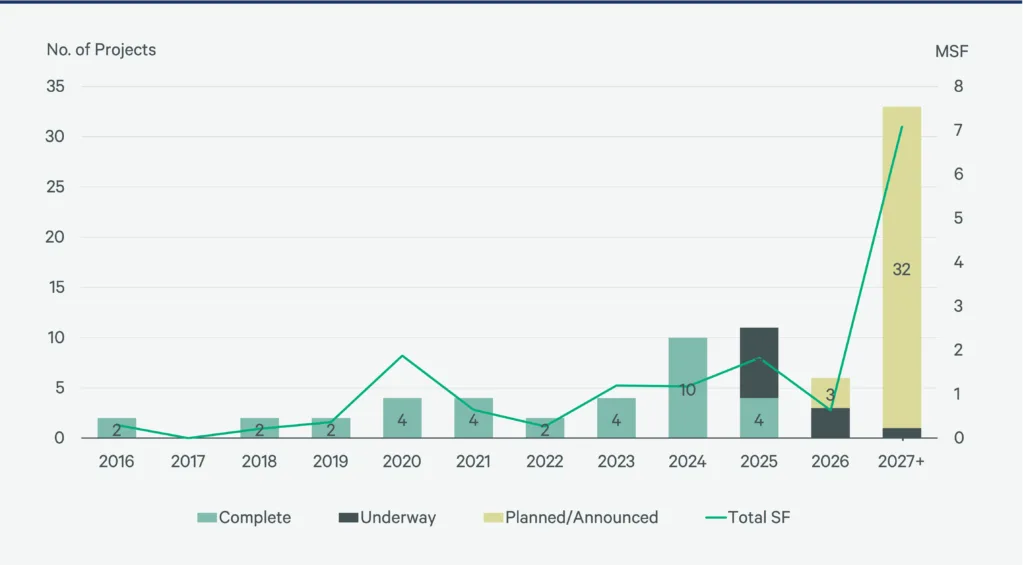
- Office conversions now outpace new supply in the DC Metro area, with 7M SF in planned projects post-2027.
- Local tax incentives like Housing in Downtown and Office to Anything are fueling adaptive reuse.
- Surging housing demand and soft office leasing create prime conditions for repurposing outdated buildings.
- Case studies like Elle and Park + Ford showcase successful conversions across urban and suburban markets.
A Region In Transition
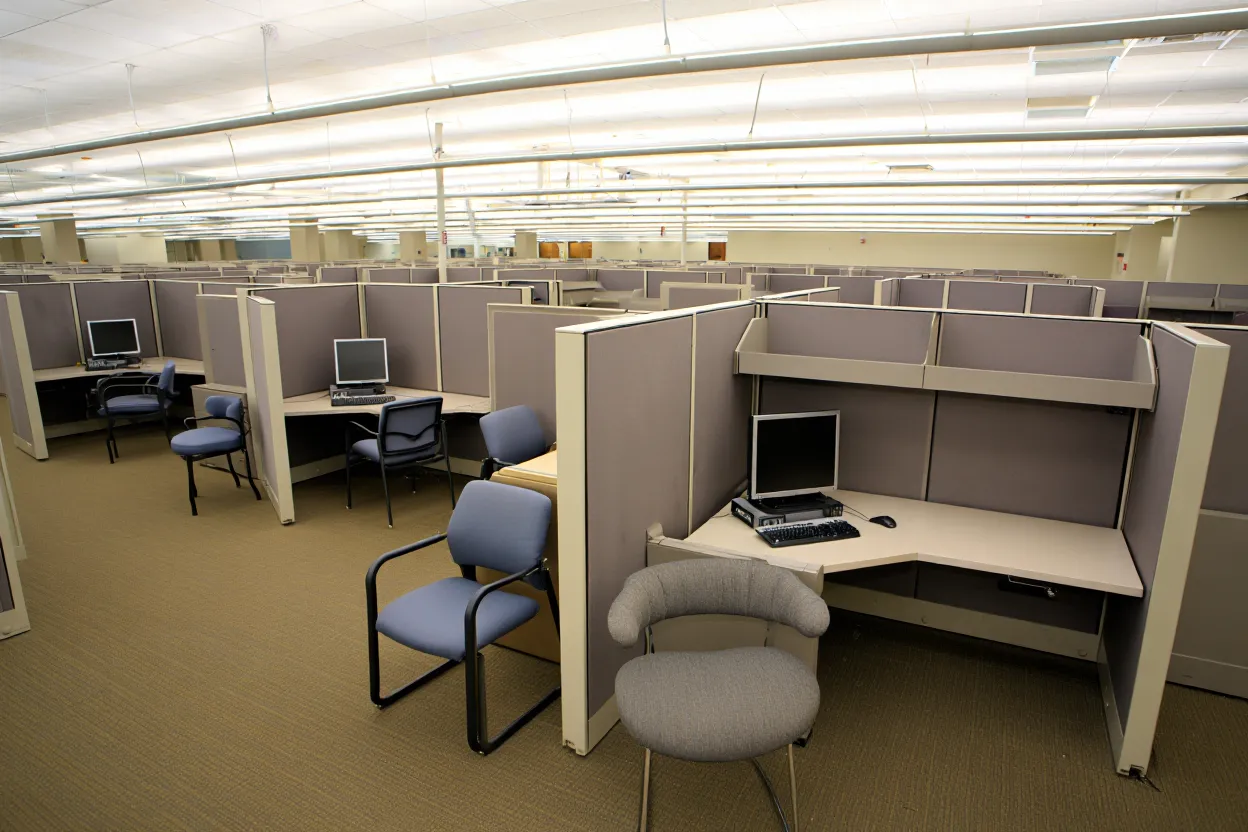
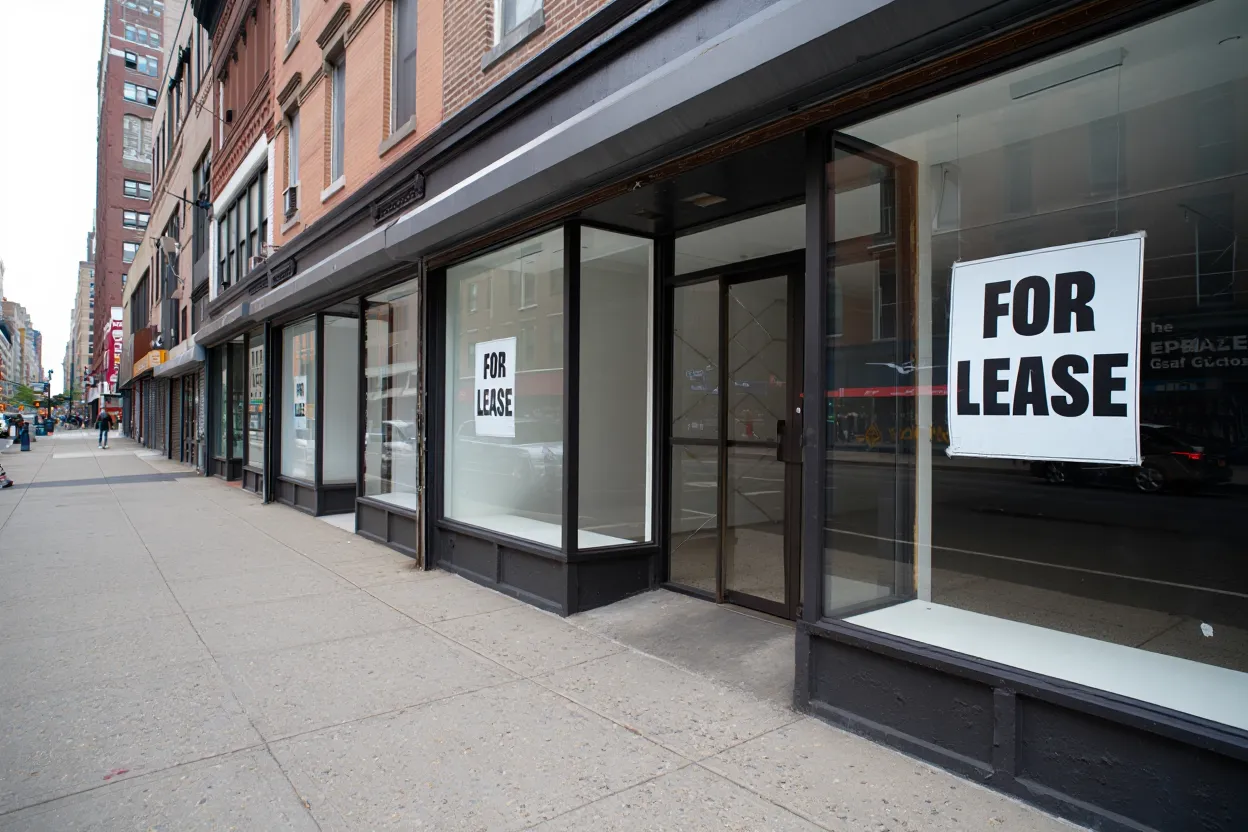
Washington, DC, is at the forefront of a nationwide office-to-residential conversion wave, reports CBRE. As remote and hybrid work continue to depress demand for commodity office space, the city faces record-high vacancy rates—over 22% in DC proper. Meanwhile, persistent housing demand is reshaping the commercial real estate landscape.
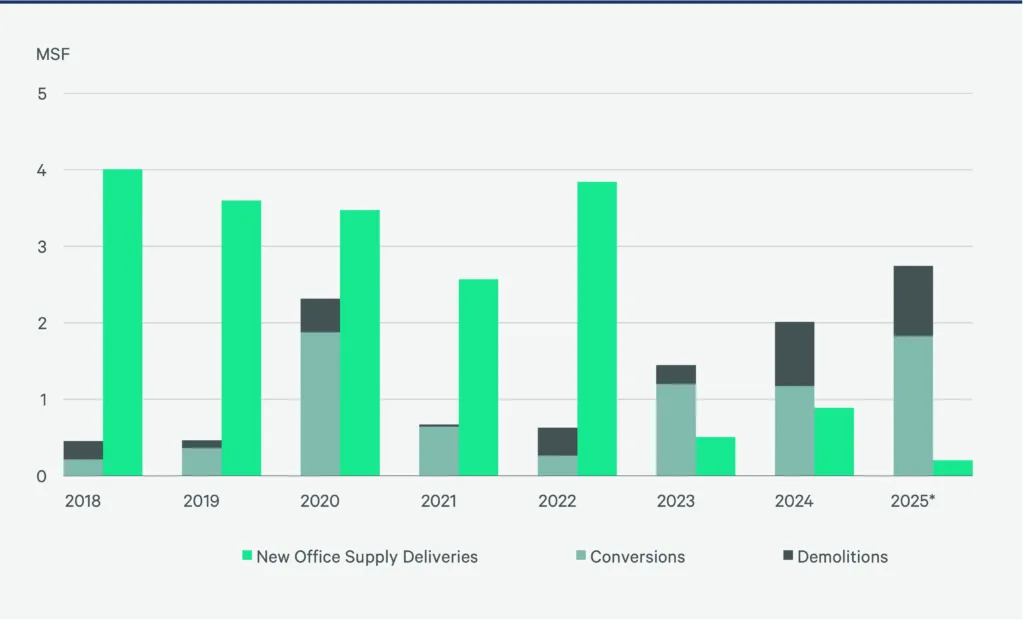
To address this imbalance, stakeholders are pivoting toward adaptive reuse. Conversions and demolitions have outpaced new office deliveries in the past three years. Over 32 projects are planned beyond 2027, totaling 7M SF.
Government Backing Drives Growth
Local policymakers have embraced office conversions as a solution to revitalize downtown and address housing shortages. Two DC programs offer long-term tax abatements to incentivize developers to convert underused office buildings into new uses. These programs support both residential and nonresidential conversions within the Central Washington Planning Area. They unlock up to 2.5M SF of abated redevelopment.
Get Smarter about what matters in CRE
Stay ahead of trends in commercial real estate with CRE Daily – the free newsletter delivering everything you need to start your day in just 5-minutes
Housing Market Underscores Demand
High interest rates and demographic shifts are boosting rental demand. Younger workers want walkable urban areas, while retirees prefer city living or senior housing with tailored amenities. Rent growth in the DC metro exceeds national averages. Slower multifamily construction will help strengthen the rental market through 2026.
Not One-Size-Fits-All
CBRE highlights three key project typologies that define DC’s office conversion potential:
- Cityscape Conversion: Mid-rise buildings near the CBD, like the Elle apartments (a conversion of the former Peace Corps HQ), offer urban vibrancy and meet housing demand in supply-constrained neighborhoods.
- Suburban Adaptation: Properties like Park + Ford in Alexandria show how outdated suburban office complexes can be reimagined as multifamily communities, often with favorable layouts and demographics.
- Campus Reinvention: Large-scale corporate campuses, such as Marriott’s former North Bethesda HQ, are being redeveloped into senior living communities like The Grandview, capitalizing on demographic trends and site scale.
Challenges Remain
Despite strong momentum, barriers persist. DC’s Height Act limits vertical expansion, complicating structural redesigns. Conversions also face challenges with deep floor plates and limited natural light, often requiring costly workarounds. Tenant rights laws, such as TOPA, can delay deals, although reforms under the proposed RENTAL Act could ease these restrictions.
Investor Implications
Developers are increasingly analyzing correctable versus non-correctable building layouts and floor plate widths to assess project viability. As property values fall and office vacancy remains high, adaptive reuse is becoming a more financially attractive option. Available incentives and sustained housing demand further enhance its appeal.
Outlook
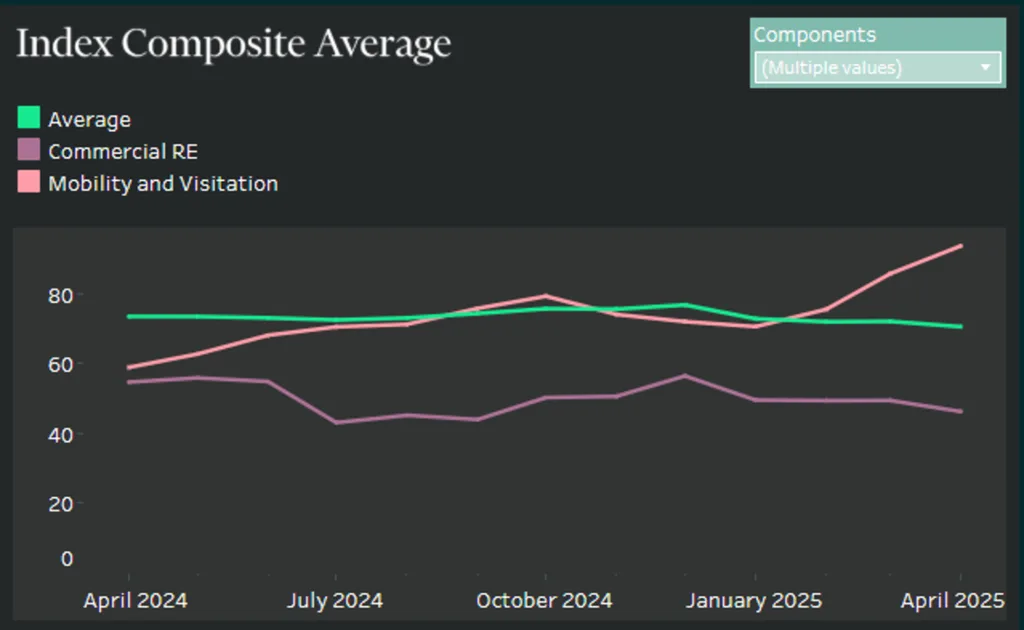
Favorable economic conditions are positioning DC to lead the nation in office-to-residential conversions. A stable vibrancy index and supportive public policy are creating favorable conditions for adaptive reuse. Evolving tenant demands are likely to sustain—and even accelerate—this trend in the coming years.