



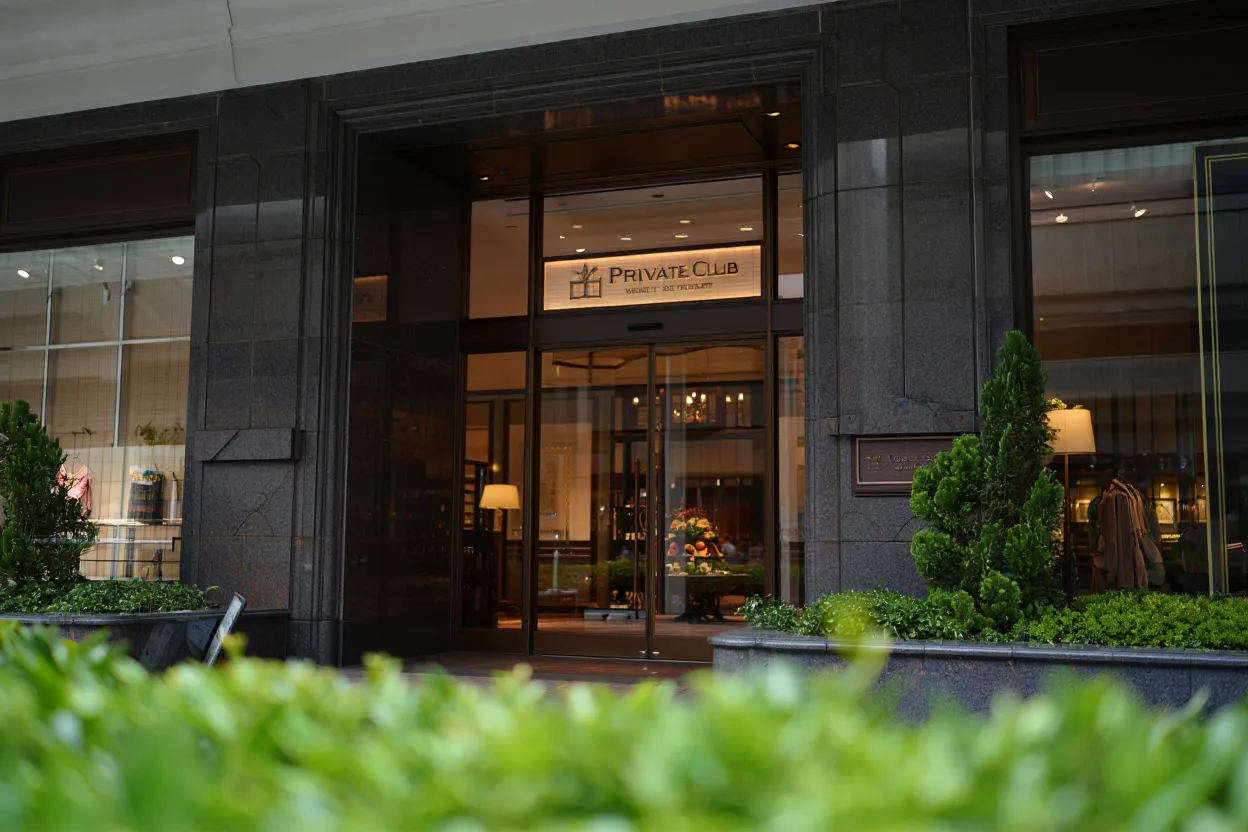
- Private clubs are filling vacancies as retail anchors in malls and shopping centers.
- These clubs drive repeat foot traffic, often attracting affluent members with significant spending power.
- Membership models are spreading beyond coastal cities to mid-sized US markets.
- The trend boosts property value but may face challenges from exclusivity and economic cycles.
Private Clubs Replace Fading Retail Anchors
As traditional retail anchors decline in malls and open-air centers, private clubs are establishing themselves as new destination tenants in commercial real estate, reports CNBC. Member-only venues with high initiation fees are attracting affluent customers, invigorating retail properties that have seen declining foot traffic.
Now operating far beyond elite coastal cities, private clubs are increasingly appearing in mid-market metros and suburban areas. Shopping centers are embracing these lifestyle-driven models, often combining fine dining, event spaces, and curated retail experiences as part of membership.
Why Landlords Are Embracing Clubs
Private clubs provide steady, high-frequency visits and can draw more consistent traffic than average store anchors. According to commercial real estate experts, these tenants help recast malls as exclusive social destinations rather than purely transactional spaces. Developers note that these clubs are now filling large vacant areas, including upper floors and hard-to-lease big boxes, with curated offerings aligned to high-income shoppers.
In places like Dallas’s Highland Park Village or Cincinnati’s The Social House, clubs are generating activity and interest while attracting tenants who value experiences. The repeated engagement makes adjacent retail and food tenants more viable and attractive for investment. This model is also gaining traction in premium urban corridors like Miami’s Brickell district, where new luxury clubs are establishing a foothold amid high-density development and affluent foot traffic.
Get Smarter about what matters in CRE
Stay ahead of trends in commercial real estate with CRE Daily – the free newsletter delivering everything you need to start your day in just 5-minutes
Broadening Reach in a Changing Economy
While the data on private club performance is still developing, industry analysts highlight the trend’s expansion beyond the luxury coasts—taking root in cities like Grand Rapids and areas like Scottsdale’s Fashion Square mall. Club operators are seeing success in locations with growing entrepreneurial communities and dense, affluent demographics.
However, the trend is not without risk. The club model can be cyclical, as seen with Soho House’s public and subsequent private transitions. Buildout costs are substantial, and the market needs both density and the right demographics to sustain clubs long-term.
Implications for Commercial Real Estate
The proliferation of private clubs as retail anchors is part of a broader shift toward destination retail emphasizing experience over volume. For landlords, clubs provide longer leases and increased dwell time—a key metric for property value. Yet exclusivity may limit the broader foot traffic that traditional anchors once provided, requiring a careful balance for surrounding tenants aiming to benefit from affluent, repeat patrons.
With evolving consumer preferences, the private club model exemplifies the push for curated, luxury-driven retail—marking a new chapter in the evolution of the American shopping center and commercial real estate landscape.