




- Rent control initiatives are gaining traction in several US states, including Massachusetts and Washington.
- Economic studies consistently find rent control reduces multifamily housing supply and discourages new investment.
- Efforts to cap rent growth conflict with calls to remove zoning barriers and unleash new multifamily supply.
- Markets with supply-friendly policies, like Austin, have seen increased construction and falling rents without rent controls.
Rent Control Comeback
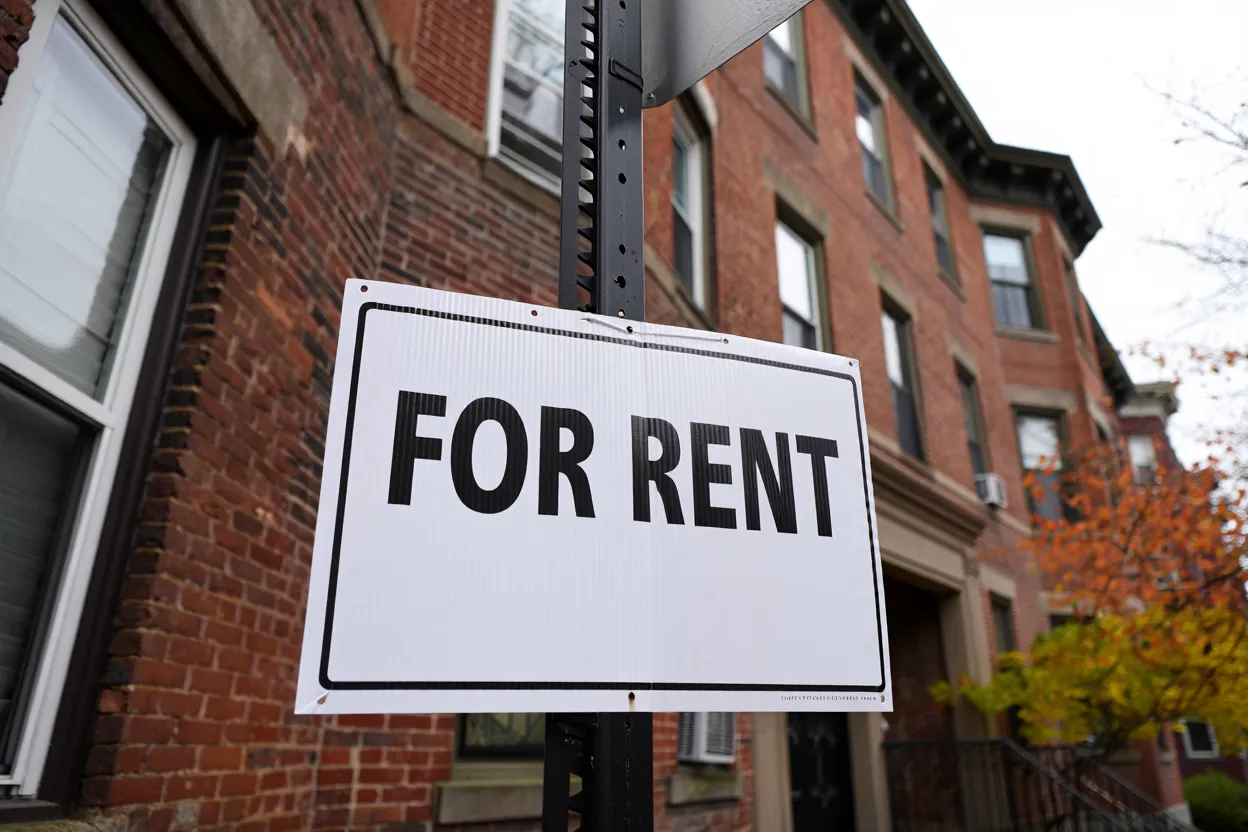
Rent control measures are making a resurgence in cities across the US, driven by housing shortages and rising rents, reports the Commercial Observer. Massachusetts, a state that repealed rent control in 1994, is now considering a ballot proposal to limit annual increases to the lesser of inflation or 5 percent. Similar proposals have surfaced in Washington and New Jersey, all seeking to cap rent growth for multifamily housing.
Impact on Multifamily Supply
Decades of data show that rent control can reduce investment and dampen new construction in the multifamily sector. Studies indicate that while some supply is created by reconfiguring existing units, overall multifamily development slows, and conversions to other uses, such as condominiums, increase. Exemptions for new construction in rent control laws may delay these effects but don’t eliminate them. The effects also vary by location, with some cities experiencing sharper slowdowns in development than others.
Get Smarter about what matters in CRE
Stay ahead of trends in commercial real estate with CRE Daily – the free newsletter delivering everything you need to start your day in just 5-minutes
Policy Debate: Controls vs. Supply
Multifamily investors are wary of rent control’s comeback. These measures can reduce returns and discourage new projects. Many experts argue for a different approach—removing zoning and land use barriers. This strategy supports more multifamily construction. In cities like Austin, Texas, reforms such as flexible building rules have boosted apartment development. As a result, rents have declined and housing options have expanded.
Why It Matters
The multifamily housing sector is at the center of the rent control debate. As affordability pressures grow, policymakers and investors face a choice between regulating rents or enabling new supply. Market-driven solutions in cities like Austin highlight the role of private development in meeting housing demand and keeping multifamily rents in check.