



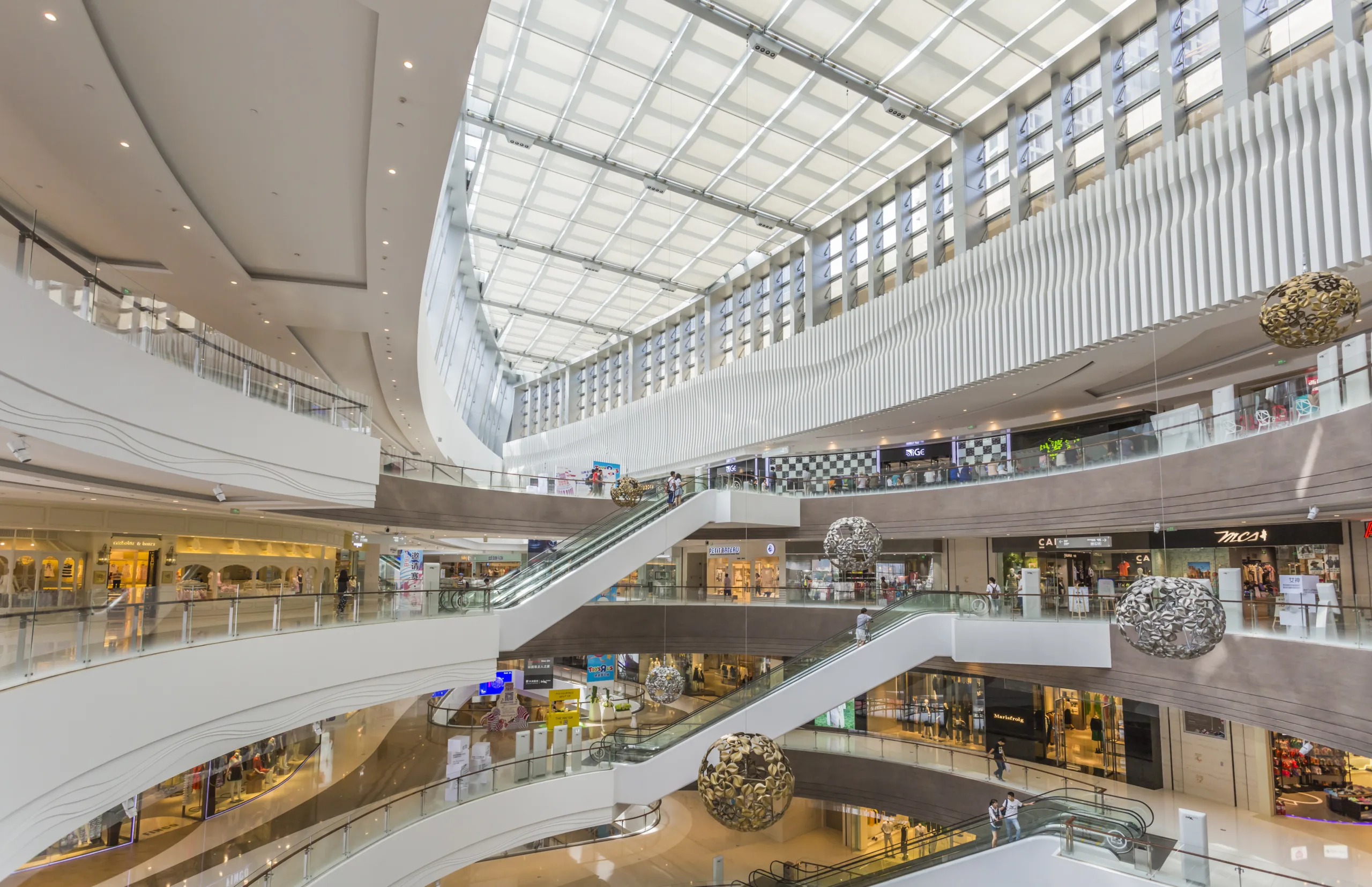
- Retail development has slowed due to rising construction costs and competition from other property types like multifamily.
- National retailers still need to grow, prompting demand for new space despite limited speculative construction.
- Developers are forming strategic partnerships with tenants, investors, and lenders to creatively deliver projects.
- Mixed-use and flexible site plans—combining retail, self-storage, and multifamily—are helping make projects financially viable.
Retail Faces Headwinds, But Demand Persists
Retail construction has slowed to a crawl, per GlobeSt. JLL reports that just over 50M SF was under development in Q3. This marks a sharp drop, driven by inflationary pressures and competition from multifamily and other higher-return property types. But according to Ken Carpenter of Madison Capital Group, the need for new retail space hasn’t gone away—especially for major national chains.
“These are public companies with shareholders,” Carpenter said. “They still need to show growth.”
Partnerships Are The New Blueprint
To meet that demand in a tight market, developers like Madison are shifting strategies, forming direct partnerships with tenants to identify, plan, and execute new projects. From investor collaborations to capital stack coordination, the model has become less about speculation and more about shared goals and custom solutions.
In one instance, Carpenter described how Madison worked with a large grocery chain that outsourced its site selection process. Madison was tasked with finding ideal locations based on traffic, demographics, and market fit. This model requires both local insight and development agility.
Get Smarter about what matters in CRE
Stay ahead of trends in commercial real estate with CRE Daily – the free newsletter delivering everything you need to start your day in just 5-minutes
Creative Land Use Becomes Essential
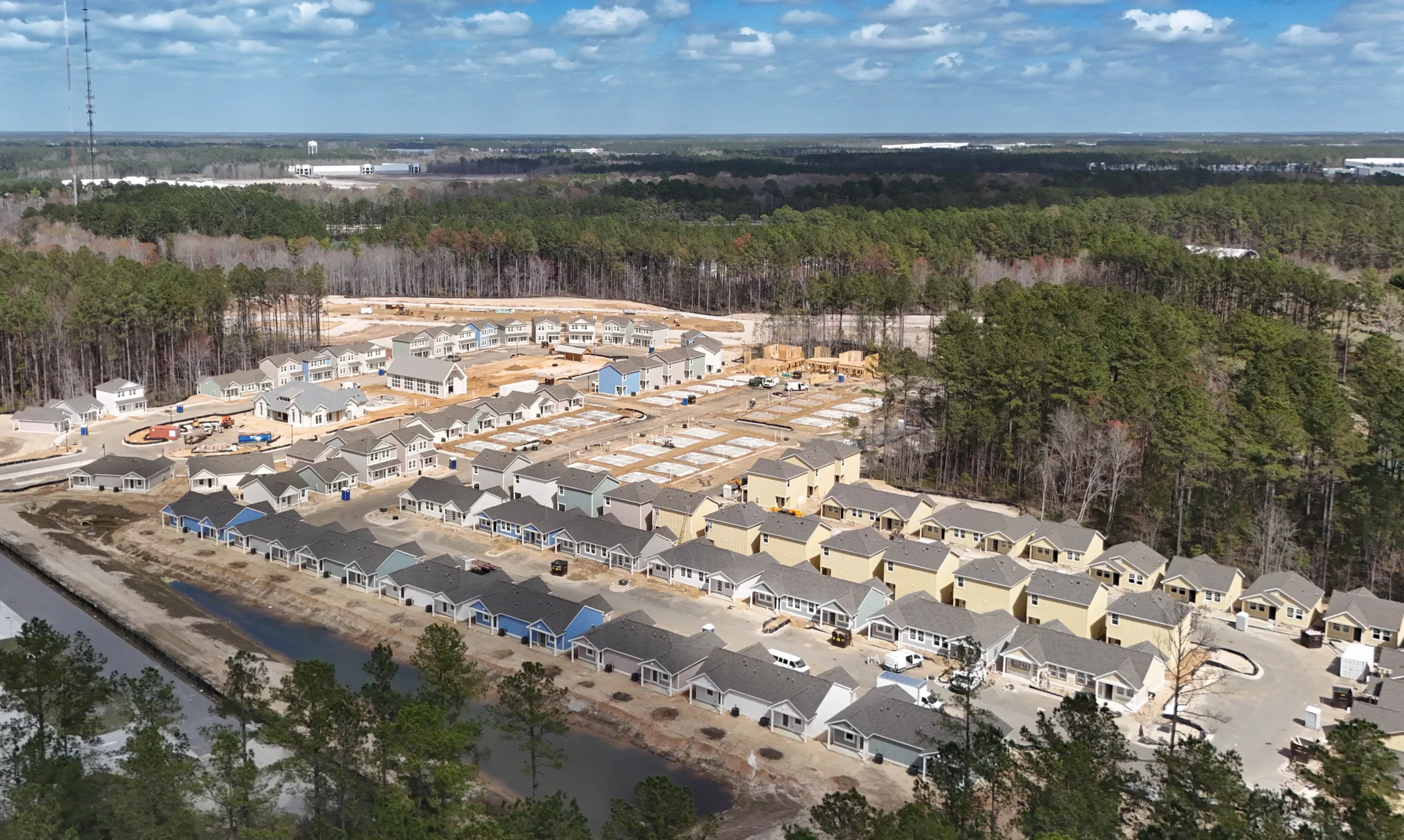
Flexibility across asset classes is a key advantage. In Charlotte, Madison reimagined a challenging site by incorporating self-storage and a small retail strip alongside a multifamily development. The team initially rejected the parcel multiple times due to high construction costs. They moved forward after rent thresholds were raised and a more efficient site plan was developed.
“We can just be more creative because we are multifamily, self-storage, and retail net lease, industrial net lease—owner, operator, developer,” Carpenter said.
Why It Matters
Even as traditional retail development slows, the sector isn’t standing still. Strategic partnerships and mixed-use creativity are proving essential to meet ongoing demand from national tenants. As retailers recalibrate their physical footprints, developers with diversified capabilities are positioned to lead the next phase of growth—one site at a time.