



- Sun Belt SFR markets are experiencing record negative rent growth, with national rents down 1.1% year-over-year.
- Oversupply is expected to continue impacting absorption and rent growth in many metros through at least 2027.
- Institutional owners are pivoting from yield-focused renewal strategies to defending occupancy and market share.
- Upgraded capex and rent-growth projections face headwinds as affordability issues outweigh housing shortages.
Sun Belt SFR Markets Face Downward Pressure
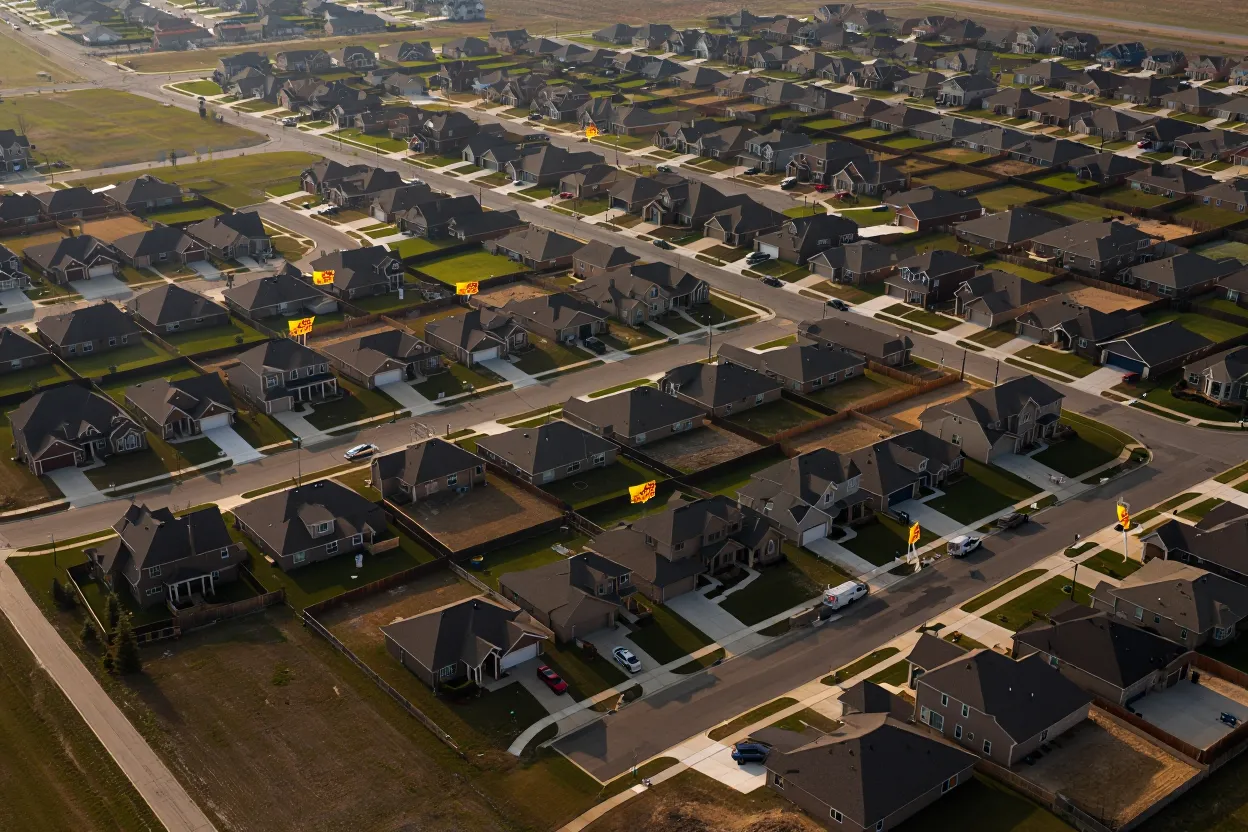
Single-family rental (SFR) portfolios in the Sun Belt are seeing negative rent growth for the first time on record. Zelman & Associates reports national SFR rent growth at minus 1.1%, the lowest ever recorded. Oversupply and weak demand have hit Sun Belt markets harder than others.
Institutional SFR owners once believed these markets could resist multifamily competition. That assumption is now breaking down, according to Globe St. Price cuts from homebuilders and concessions from new multifamily properties are undercutting rents.
Owners can no longer rely on steady rent growth and fast leasing to drive returns. They are reevaluating strategies to respond to changing market conditions.
Supply Concerns Extend Into 2027
The Sun Belt’s wave of new supply, once expected to be absorbed by 2025, is proving more durable than anticipated. National occupancy rates exited 2025 in the low 90s, while future absorption timelines have been stretched as demand softens. Every segment—single-family for sale, SFR, and multifamily—is now competing for the same households, placing broad pressure on SFR strategy and underwriting assumptions.
Many operators face difficult renewal decisions. Pushing for rent increases risks higher move-outs and longer vacancy periods. Instead, portfolios are shifting toward granular renewal approaches, with some submarkets opting for flat or modest renewal offers to defend occupancy until supply imbalances abate.
In several metros, homes are remaining on the market longer than expected, intensifying competition and weakening landlords’ pricing flexibility. This dynamic is forcing owners to prioritize retention over rent premiums, especially in overbuilt neighborhoods.
Get Smarter about what matters in CRE
Stay ahead of trends in commercial real estate with CRE Daily – the free newsletter delivering everything you need to start your day in just 5-minutes
Capex and Underwriting Under Strain
The negative rent environment complicates capital planning for SFR owners who had projected steady NOI growth to fund capex. With oversupply expected to persist “beyond ’27” in key Sun Belt markets, large-scale upgrade programs are riskier, and underwriting now assumes lower premiums and longer payback periods for renovations.
At the same time, high land and development costs keep replacement cost elevated. SFR operators in these Sun Belt metros are prioritizing essential maintenance and selective upgrades, rather than broad capital investments based on assumptions of quick rent recovery.
Rethinking Rent Growth Assumptions
Institutional SFR strategy is also being forced to acknowledge deeper affordability challenges. Despite previous narratives around housing shortages, much of the Sun Belt’s rental base is constrained by the ability to pay, not just supply. Consumer financial strain—from student loans to consumer debt—limits rent growth even as unit counts have ballooned.
Zelman & Associates recently cut its 2026 national rent growth forecast from 3% to 1.9%, citing persistent absorption lags. For investors, this means standard underwriting models based on historic growth are at risk if they don’t account for localized oversupply and affordability pressures. The expected upside from ‘loss to lease’ may be slow to materialize, especially in the most competitive Sun Belt submarkets.