



- Space data centers are being explored by Elon Musk’s SpaceX and xAI to support AI-driven demand
- SpaceX has filed with the FCC to launch up to 1 million satellites for an orbital data center system
- Plans face significant engineering, capital, and energy challenges before becoming operational
- Industry experts view space data centers as a long-term but potentially game-changing solution
Space Data Centers Enter Discussion
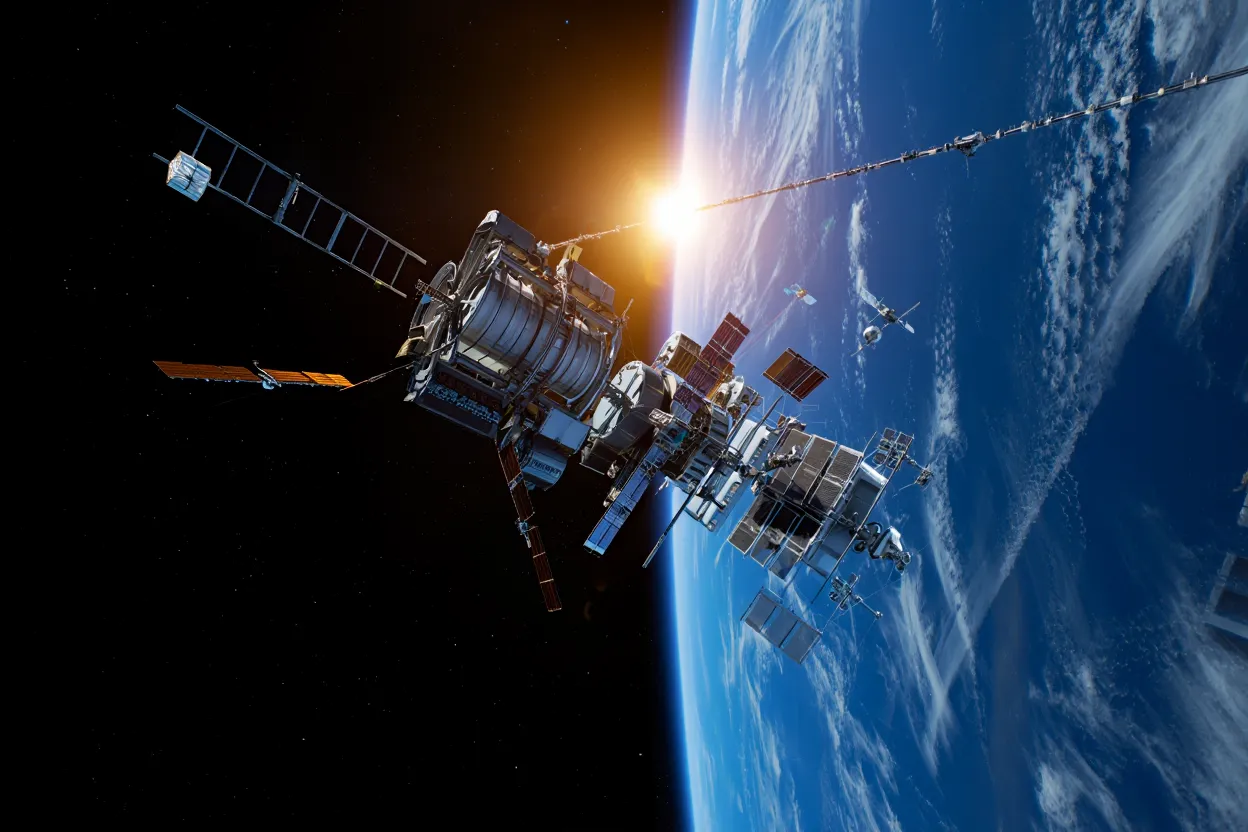
According to CoStar, Elon Musk’s newly merged SpaceX and xAI are expanding commercial real estate into orbit. The companies are pursuing space-based data centers to meet surging AI infrastructure demand. SpaceX filed plans with the Federal Communications Commission for an orbital data center network. The proposal seeks approval to launch up to 1 million satellites. These satellites would transmit data between space and Earth.
This initiative highlights mounting pressure on land and power resources. Developers now face growing challenges securing sites and utility capacity for new data centers. As a result, companies are exploring alternatives beyond traditional markets. If the plan succeeds, Musk could reshape core infrastructure supporting the AI industry.
Chasing AI Demand Beyond Earth
The concept of space data centers comes as AI continues to drive massive infrastructure requirements. By moving data processing into Earth’s orbit, SpaceX and xAI hope to tap into abundant solar power and relieve the real estate and energy burdens faced on the ground. Fellow tech entrepreneur Jeff Bezos is also exploring similar orbital strategies for Blue Origin and Amazon.
- Space data centers offer the promise of nearly unlimited solar energy
- Major players see space as a solution to grid stress and land scarcity
- Traditional data center development is moving into new US regions to chase available power
Get Smarter about what matters in CRE
Stay ahead of trends in commercial real estate with CRE Daily – the free newsletter delivering everything you need to start your day in just 5-minutes
Technical and Investment Barriers
Launching space data centers presents daunting hurdles. Construction must support modular assembly and operate independently from terrestrial fiber networks. Major capital investment will be required, with substantial infrastructure needing to be launched into orbit. These capital and execution challenges mirror the rapid buildout underway in Memphis, where xAI’s large-scale AI facility has already sparked environmental and infrastructure concerns. Executives and industry observers suggest client adoption and on-site power solutions (such as behind-the-meter solar and batteries) are key to making these projects viable.
Future Prospects for Space Data Centers
Industry experts remain cautious about short-term feasibility, expecting most data center growth to remain Earth-based over the next one to two years. However, Musk’s track record with projects like Starlink signals that space data centers could move from concept to reality in the coming decade—especially if proof of concept is established. Should Musk succeed, other industry leaders such as Bezos are likely to accelerate their own orbital data center initiatives.